Frequently Asked Questions - Hot Spring Safety & Etiquette
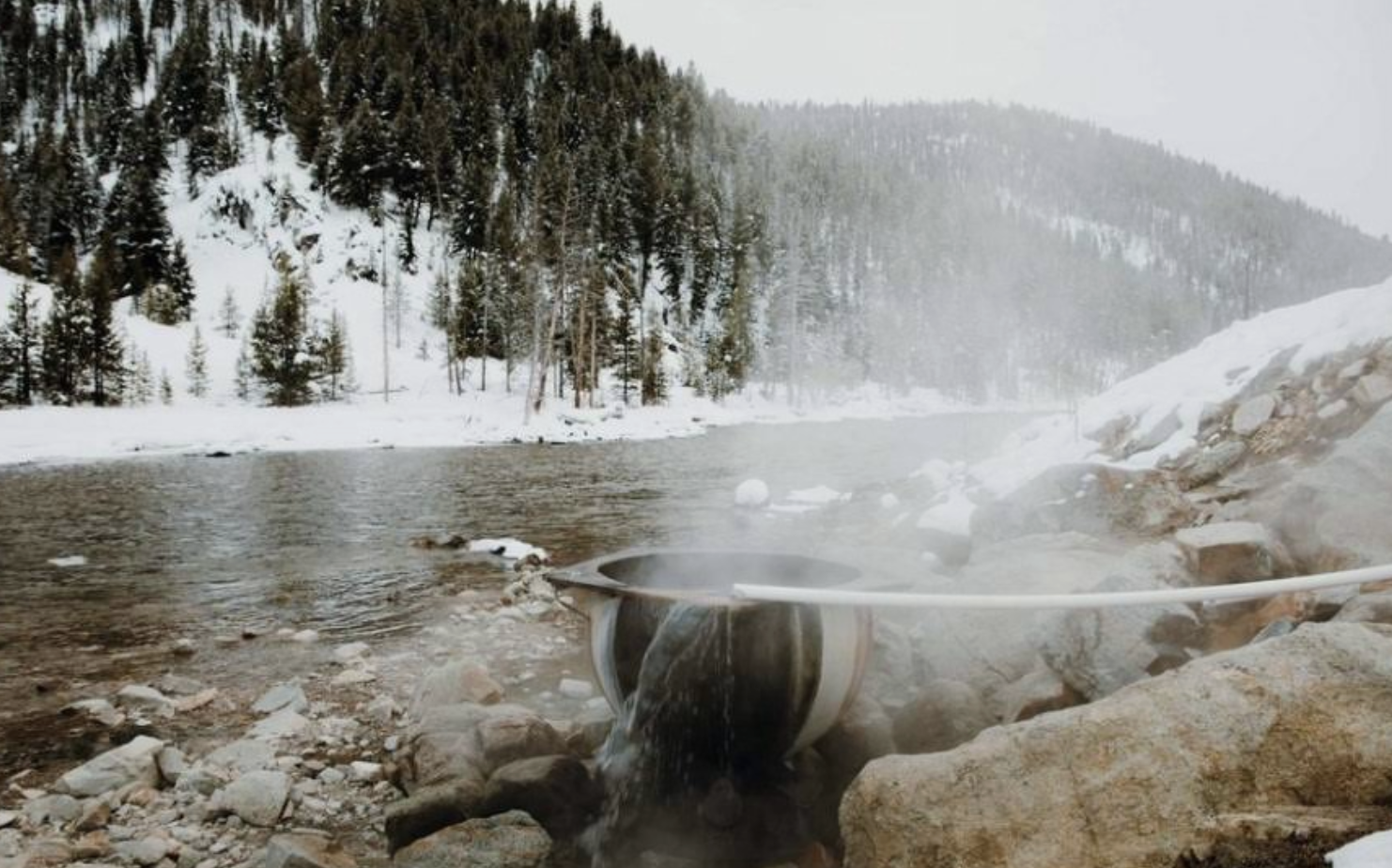
We get alot of questions about how to safely enjoy hot springs. Below we take a shot at answering them. Feel free to reach out if you have other questions we can help with.
Can you safely visit hot springs while pregnant?

Yes, pregnant women can safely enjoy hot springs, provided the water temperature remains strictly below 101°F (38.3°C) and soaking time is limited to 10 minutes or less. Prolonged exposure to high heat can cause maternal hyperthermia (overheating), which poses risks to fetal development, especially during the first trimester. Always verify the temperature with a water thermometer and consult your OB-GYN before visiting any geothermal pool.
Safe Temperature Target: 95°F to 100°F (35°C to 37.7°C).
Time Limit: Maximum of 10 minutes per session, followed by a cooling period.
Warning Signs: Immediately exit the pool if you experience dizziness, nausea, or heavy sweating.
Is it safe to submerge your head in natural hot springs?
You should limit submerging your head, dive, or swim underwater in a natural hot spring due to the risk of contracting Naegleria fowleri, a rare but fatal brain-eating amoeba. This organism thrives in warm, untreated geothermal waters globally and enters the human body exclusively through the nasal passages. To stay safe, keep your head completely above the water surface and avoid disturbing bottom sediment where the amoeba lives.
Why is glass strictly prohibited at hot springs?
Glass is completely banned at most primitive and commercial hot springs because broken shards create severe, hidden safety hazards for barefoot soakers. Because geothermal pools feature moving water, shifting sediment, and uneven rock floors, locating and removing broken glass is virtually impossible. Shards can cause deep lacerations and infections, and multiple natural springs have been permanently closed to the public due to glass contamination.
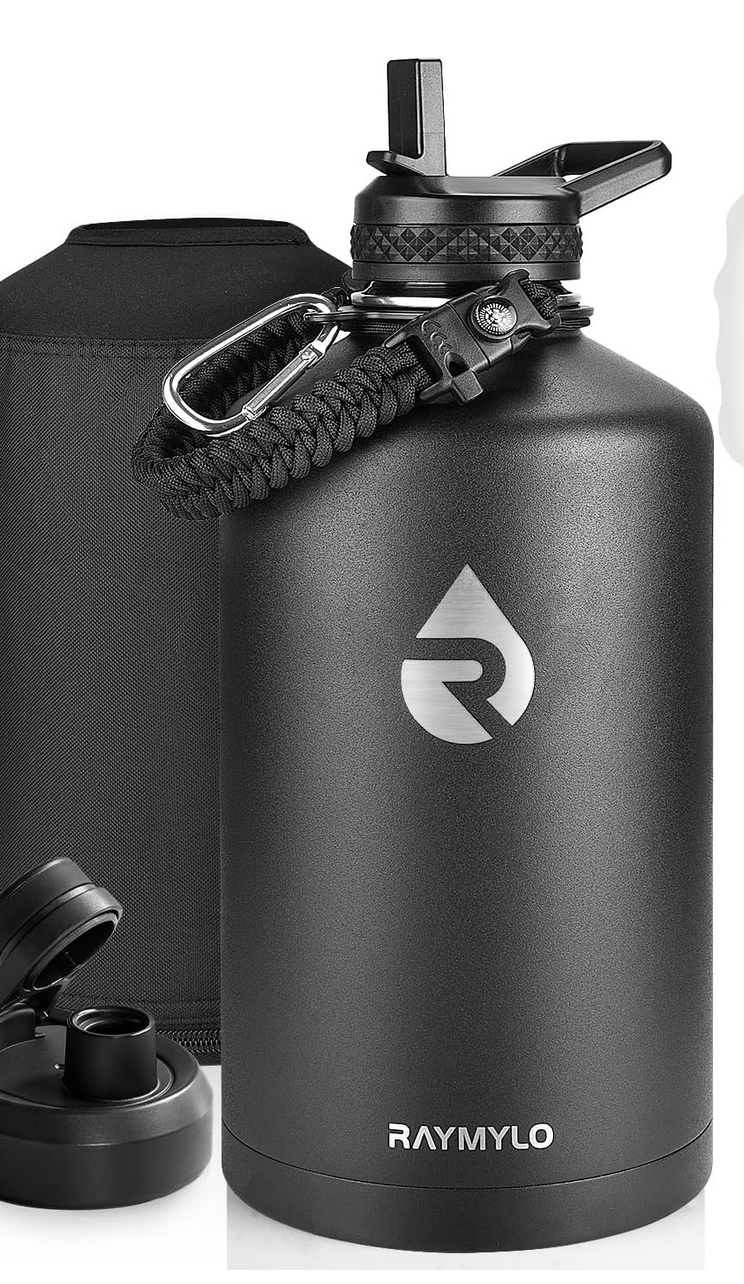
The Soaker's Rule: Always transfer beverages into aluminum cans, stainless steel flasks, or reusable plastic bottles before heading to the pool area. A good Water Bottle is needed to stay hydrated since hot springs tend to dehydrate us.
Can you use soap or shampoo in a natural hot spring?
You should limit soap, shampoo, or body wash in a natural hot spring, even if the product is explicitly labeled as biodegradable. Natural geothermal pools lack artificial drainage systems, meaning chemical additives remain trapped in the water.
Soap alters the pH levels, creates unsightly foam, and disrupts the delicate ecosystem of native plants, extremophile bacteria, and wildlife that rely on the thermal source.
What is the correct etiquette for nudity at clothing-optional hot springs?
The core etiquette at clothing-optional hot springs is to maintain mutual respect, avoid staring or pointing, and strictly refrain from taking photos or videos. Many primitive hot springs are historically clothing-optional.
Visitors who choose to remain clothed must respect the privacy and vulnerability of those who are nude, while those choosing nudity must ensure their behavior remains entirely non-sexual and respectful of a shared, public environment.
How far away from a natural hot spring should you camp?
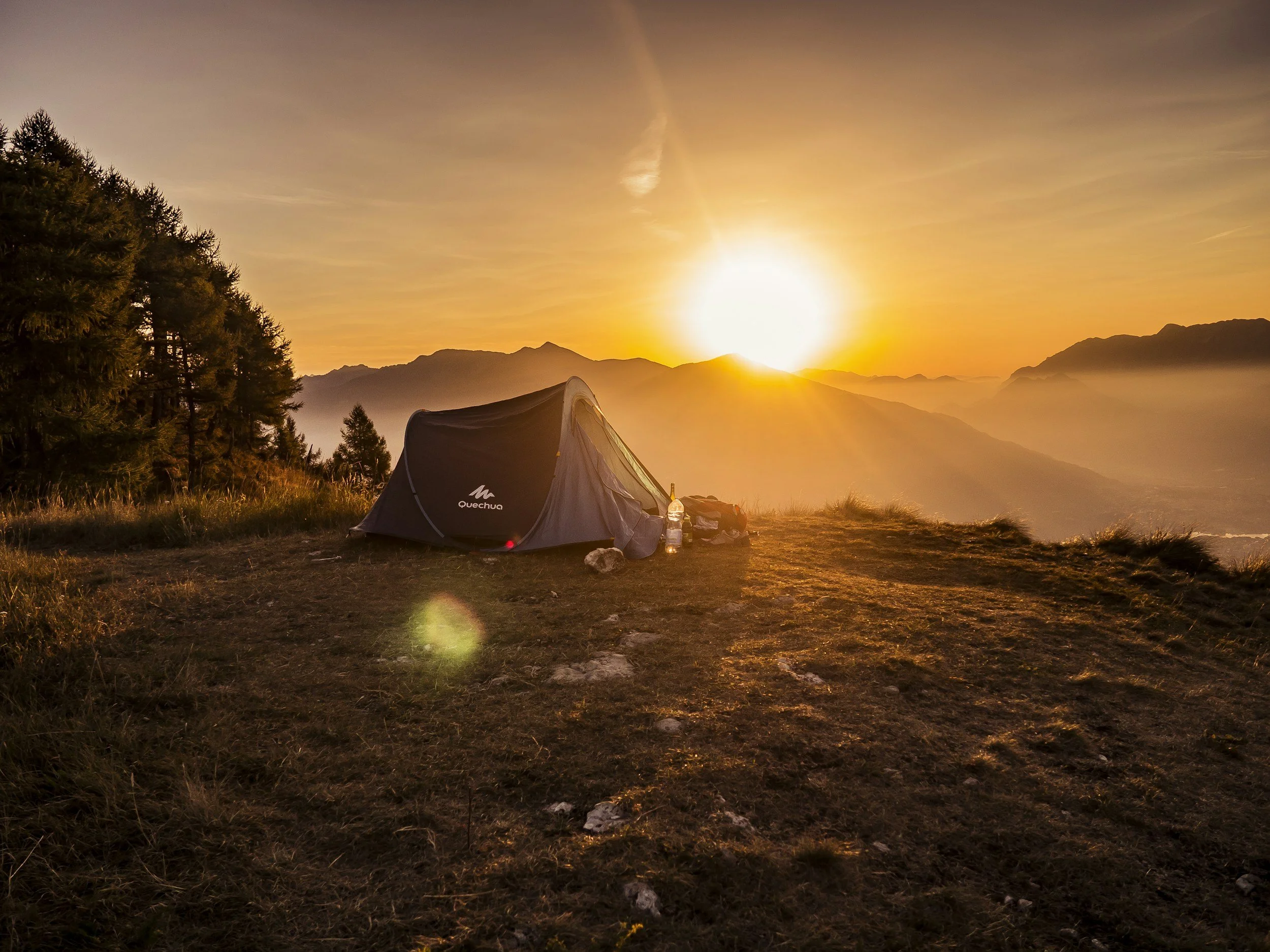
According to Leave No Trace principles, you must set up camp and dispose of human waste at least 200 feet (approximately 70 adult paces) away from a natural hot spring or its runoff source.
Camping too close to a geothermal pool causes soil erosion, damages fragile riparian vegetation, and blocks wildlife from accessing their water source. Furthermore, human waste must be buried in a six-inch deep cat hole or packed out in a waste disposal bag to avoid contaminating the water table.