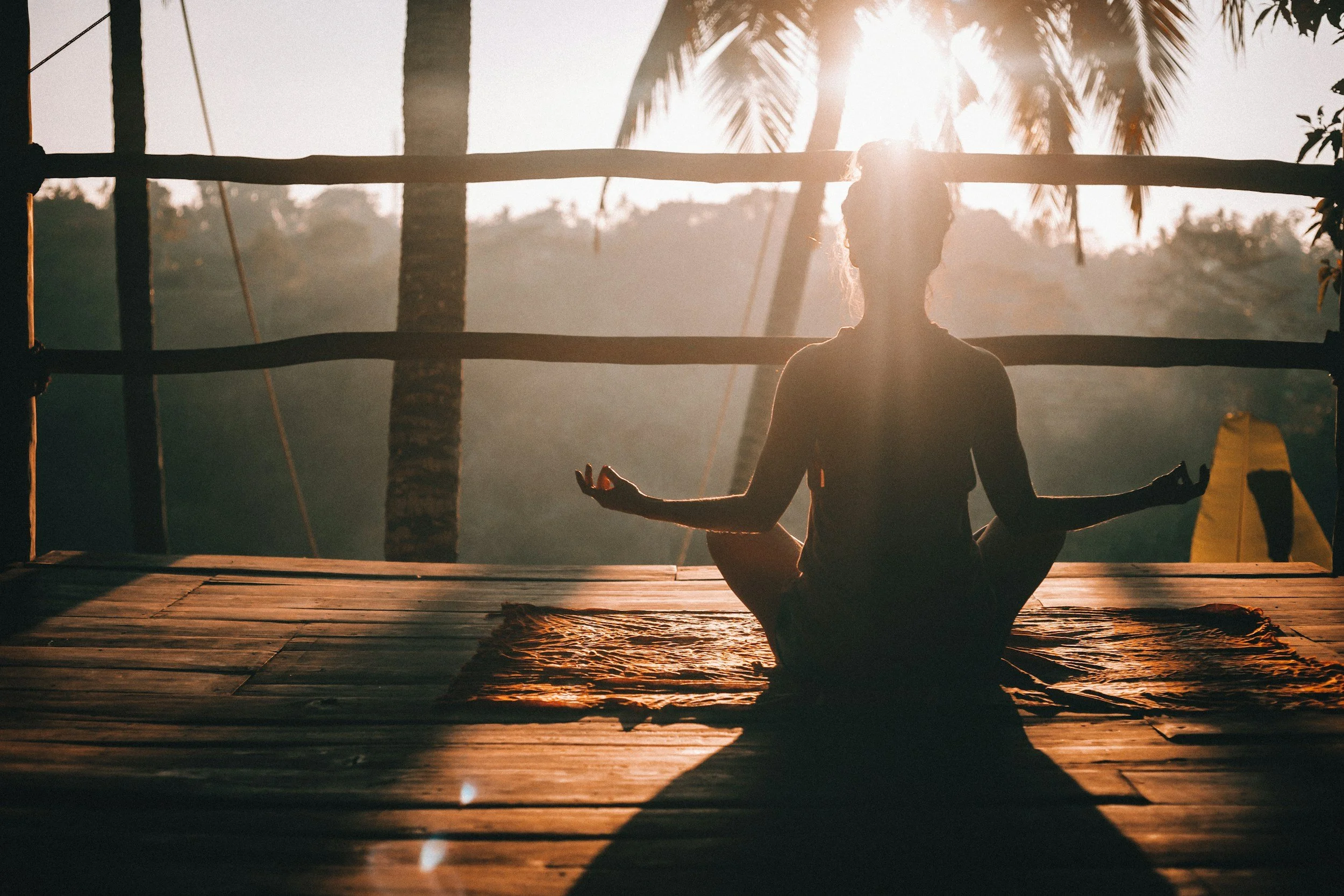
A wellness retreat in the middle of a rainforest sounds wonderful. So does spending a week in the mountains, bathing in natural hot springs or waking up beside the ocean. But what actually makes these experiences different from simply booking a beautiful holiday?
Having founded Verified Retreats, a platform dedicated to helping women find trustworthy wellness retreats around the world, I've spent considerable time reviewing retreat programmes, speaking with retreat leaders and understanding what people are actually looking for when they decide to take time away.
One thing I've noticed is that nature-based retreats tend to attract a particular kind of traveller: someone who doesn't simply want a change of scenery, but wants to properly disconnect from everyday life.
Our conversations with women and retreat leaders have repeatedly highlighted this distinction. Urban wellness retreats can offer wonderful experiences, from yoga and spa treatments to healthy food and cultural activities. But when a retreat moves into the mountains, onto a remote coastline or into a forest, the environment itself begins to change the experience.
And there's a scientific reason why this matters. Research increasingly suggests that exposure to natural environments can positively influence psychological wellbeing, stress and mood.
The most interesting wellness retreats understand this relationship. They don't simply offer activities in beautiful locations. They build the experience around what makes that particular environment special.
Here are some of the world's most interesting examples.
1. Hot Springs: Where Ancient Bathing Traditions Meet Modern Wellness Retreats
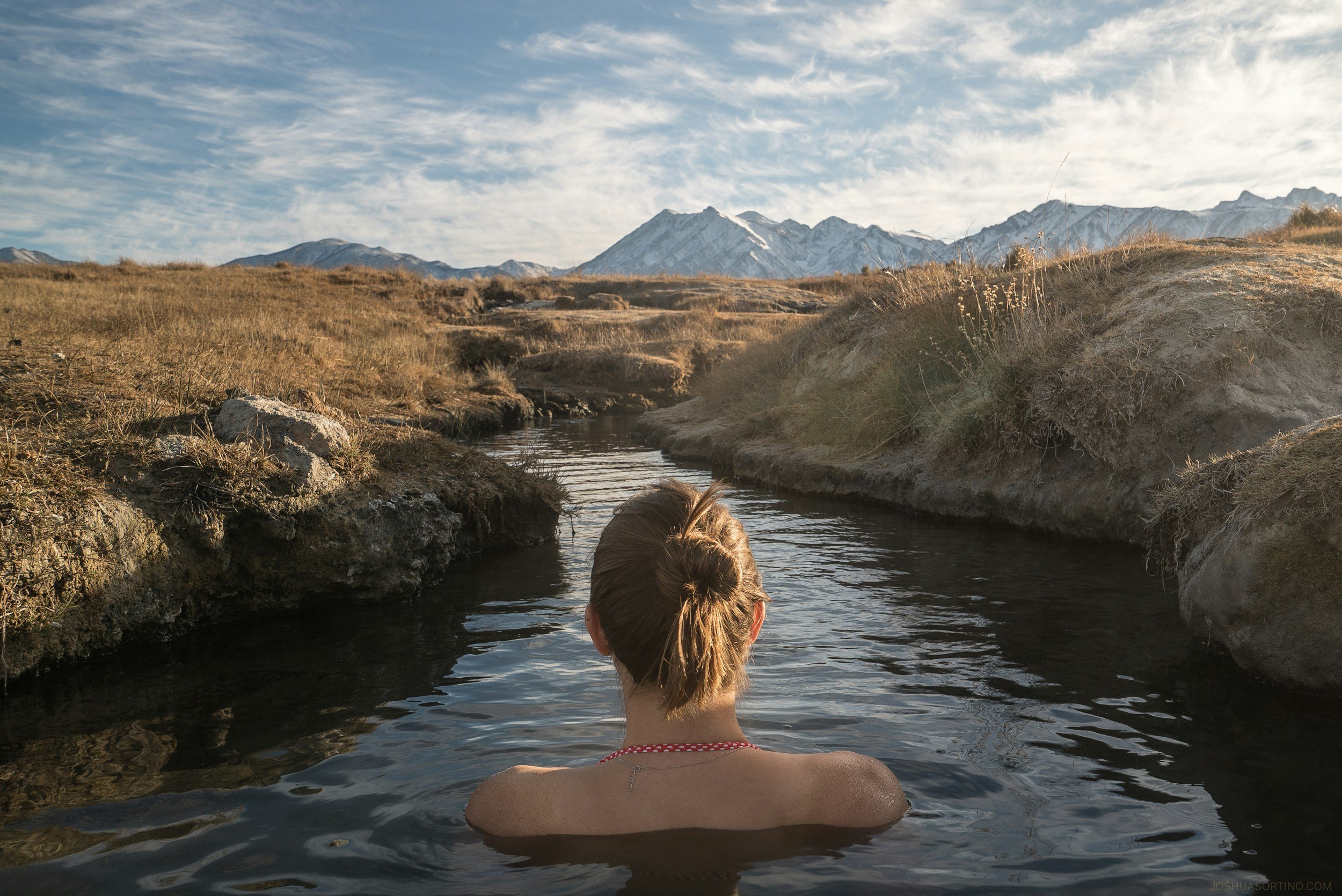
Few natural wellness experiences have such a long cultural history as thermal bathing. Across the world, communities have developed traditions around naturally heated water, and today hot springs are becoming an increasingly important part of nature-based wellness travel.
Japan's onsen culture is perhaps the most recognisable example. Onsen are natural hot springs heated by geothermal activity, and bathing in them has been part of Japanese life for centuries. Traditionally, these experiences are about much more than simply enjoying warm water. They are connected to local customs, relaxation and taking time away from everyday routines.
Many traditional ryokan, Japanese inns, are built around this experience, with outdoor rotenburo baths overlooking mountains, forests or gardens. The surrounding landscape becomes part of the bathing ritual.
Iceland offers a different interpretation of geothermal wellness. Its volcanic landscape provides abundant naturally heated water, and geothermal bathing has become an important part of the country's culture. From natural hot springs to geothermal bathing facilities surrounded by dramatic lava fields, the experience is closely connected to the environment.
In Costa Rica, particularly around the Arenal Volcano region, natural hot springs emerge from the country's geothermal landscape. Here, thermal bathing is often combined with rainforest exploration, outdoor movement and nature-based accommodation.
What makes these destinations particularly interesting from a retreat perspective is how differently the thermal experience can be incorporated into a programme.
Imagine a retreat where mornings begin with gentle movement, afternoons involve exploring the surrounding landscape and evenings are reserved for thermal bathing. The hot spring is no longer just another facility at the property. It becomes part of the rhythm of the entire stay.
This is an important distinction I look for when reviewing wellness retreats. Some properties offer hot springs as an additional amenity, while others build their entire experience around thermal bathing and its relationship with the surrounding environment.
There is also interesting research behind the tradition. A 2021 systematic review and meta-analysis examined 16 randomised controlled trials involving 1,273 participants with osteoarthritis. Researchers found that thermal mineral-water treatments were associated with improvements in pain, physical function and quality-of-life measures.
Warm-water immersion also offers some straightforward physical benefits. Buoyancy reduces loading on joints, while heat can encourage muscle relaxation. However, the effects vary depending on water temperature, duration, mineral composition and individual health.
For travellers, I would encourage looking beyond the photographs when choosing a thermal wellness retreat. Is the water naturally sourced? What is the bathing experience actually like? Is thermal bathing central to the programme, or simply an attractive feature of the accommodation?
A beautiful pool and a genuine geothermal bathing experience are not necessarily the same thing.
2. Forests: The Science and Tradition of Forest Bathing
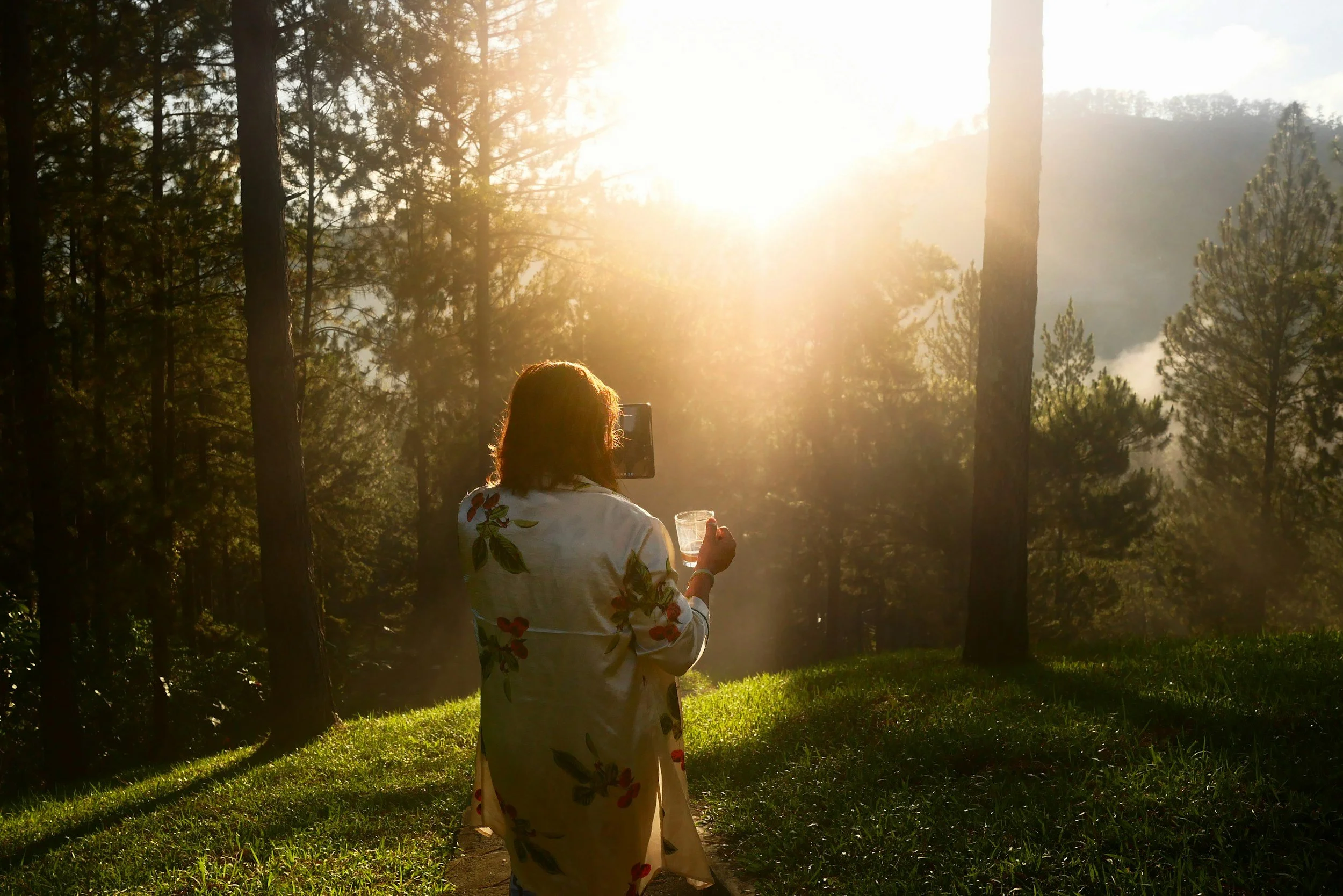
Japan has also given the world another fascinating nature-based wellness tradition: shinrin-yoku, commonly translated as forest bathing.
Introduced in Japan during the 1980s, forest bathing involves deliberately spending time in a forest and engaging with the surroundings through the senses. Unlike conventional hiking, the objective isn't to cover a particular distance or reach a destination. It is about slowing down and experiencing the environment.
A guided forest-bathing session might involve walking quietly, noticing the sounds of birds, observing changes in light, touching tree bark or simply sitting among the trees.
There is growing scientific interest in this practice. A 2023 systematic review and meta-analysis published in the International Journal of Mental Health Nursing examined 36 studies involving 3,554 participants. The researchers found that forest bathing was associated with reductions in symptoms of anxiety and depression, although physiological findings were less consistent.
This is particularly interesting when considering how forest-based wellness retreats are designed.
A retreat in Bali's jungle, for example, might combine open-air yoga, guided nature walks, meditation and periods of unstructured time outdoors. Scandinavian forest retreats might take a different approach, incorporating woodland accommodation, outdoor saunas and longer periods of quiet immersion in nature.
The important thing is that the forest should be part of the actual experience, not simply something guests can see from their bedroom window.
I've noticed that retreat leaders increasingly seek locations away from busy urban environments for precisely this reason. They want guests to have an opportunity to step away from their normal surroundings and experience a different rhythm of life.
Sometimes that means a full programme of guided activities. Sometimes it means deliberately leaving space in the itinerary for guests to explore the surroundings independently.
Both can be valuable, depending on the purpose of the retreat.
3. Oceans and Coastlines: The Restorative Appeal of Blue Spaces
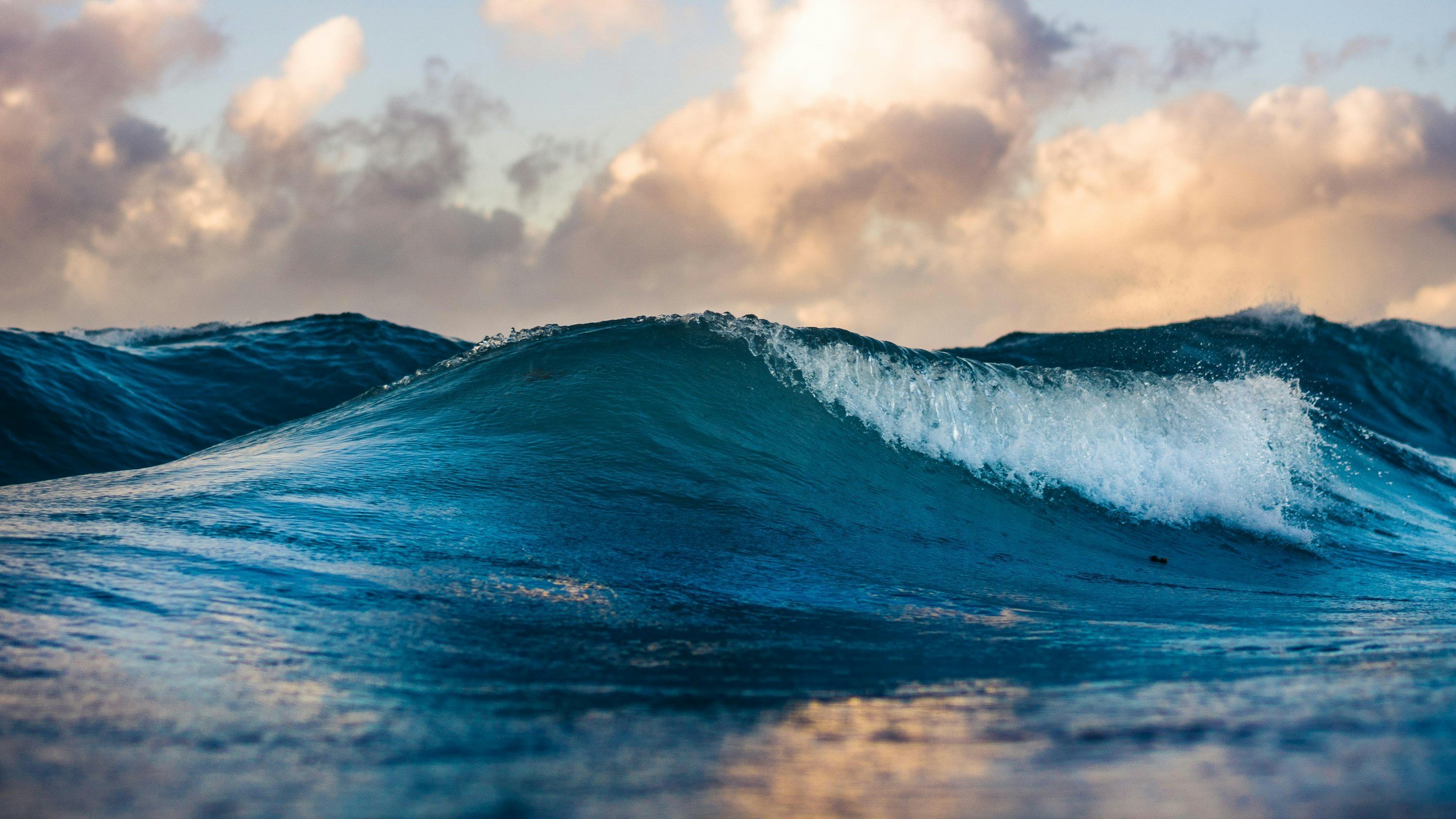
For some travellers, the ultimate wellness experience isn't found in a forest or mountain range but beside the ocean.
Researchers often use the term blue spaces to describe natural environments containing water, including oceans, rivers and lakes. Their relationship with psychological wellbeing has become an increasingly interesting area of environmental research.
The World Health Organization's 2021 report, Green and Blue Spaces and Mental Health, identified an overall positive relationship between exposure to natural green and blue environments and mental health, while also highlighting limitations in the available evidence.
Coastal retreats are particularly interesting because they can combine relaxation with physical activity and adventure.
Costa Rica's Pacific coastline, for example, offers opportunities for surf and yoga retreats, where guests can spend their mornings learning to surf and their afternoons practising yoga or enjoying the beach.
Portugal's Atlantic coastline provides a different setting, with coastal hiking, ocean swimming and outdoor movement often incorporated into wellness programmes.
This brings me to another observation from my work with retreat leaders: not everyone defines a reset as doing less.
Some women are looking for complete stillness, while others want to learn something new, challenge themselves physically and spend their days outdoors. A surf retreat might be far more appealing to the latter group than a traditional spa-focused programme.
The leader's ability to create the right balance matters enormously here. Surfing, for example, requires appropriate instruction, while yoga, recovery time and other activities need to complement rather than overwhelm the physical programme.
The ocean might be the reason someone books, but the way the experience is structured will determine what the retreat actually delivers.
If you're exploring the idea of a wellness retreat but aren't sure where to start, check out Verified Retreats to make that search easier. It's a curated collection of wellness retreats with a focus on the experience behind the marketing: who's leading it, what's actually included, and whether the programme delivers what it promises.
4. Mountains: Movement, Perspective and the Power of Expansive Landscapes
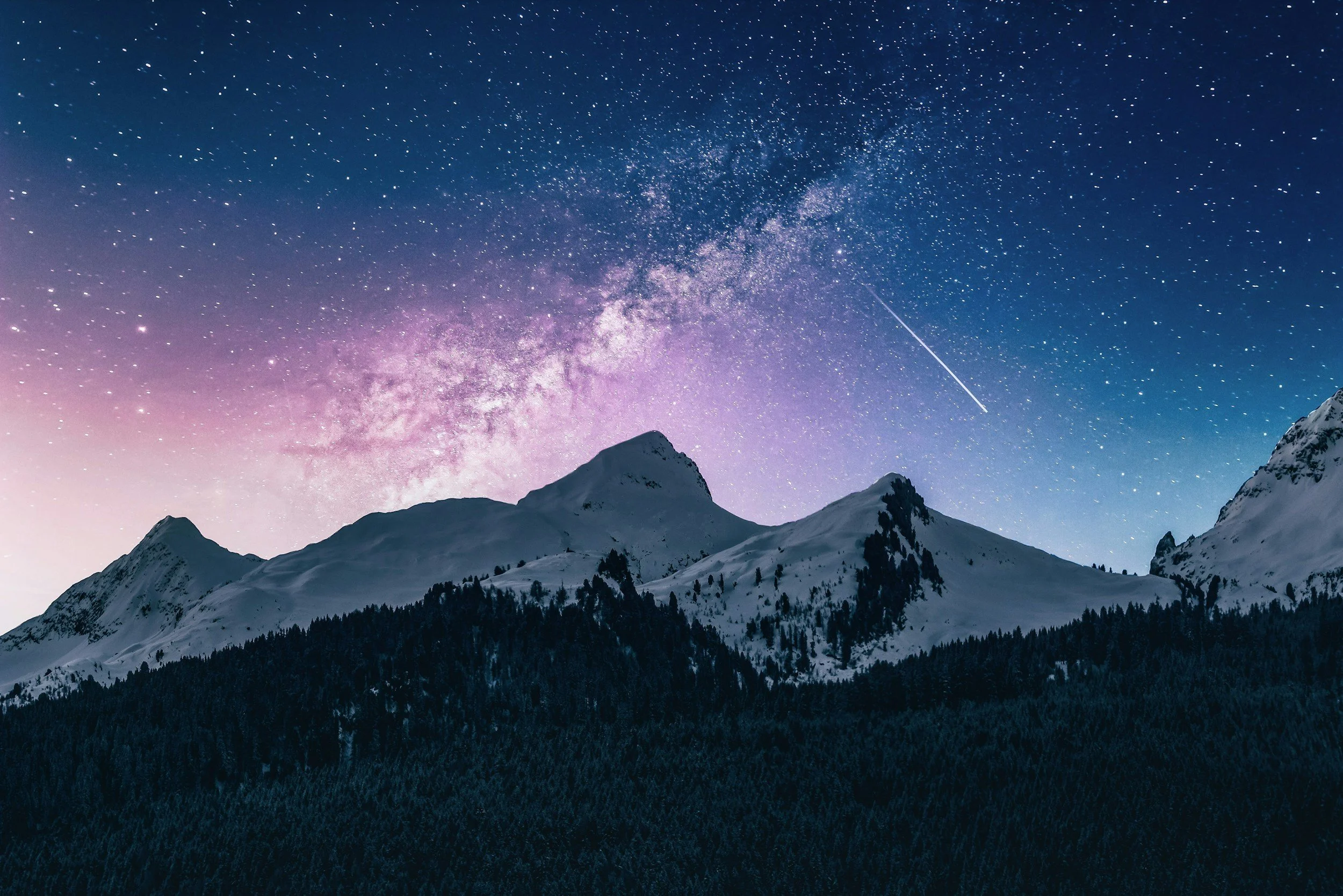
Mountain environments offer another distinctive approach to wellness.
In destinations such as the Swiss Alps and Italy's Dolomites, retreats can combine guided hiking, outdoor fitness, yoga and alpine spa experiences. Some also incorporate thermal bathing, bringing together two natural wellness traditions in one setting.
What I find particularly interesting about mountain retreats is that the landscape can almost dictate the rhythm of the programme.
Rather than spending most of the day inside a studio, guests might begin with a guided mountain walk, enjoy a long lunch overlooking a valley and finish the afternoon relaxing in a sauna or thermal pool.
There is also an interesting psychological concept associated with expansive natural landscapes: awe.
Awe describes the feeling people experience when they encounter something vast or extraordinary that changes their usual perspective. Research into awe has associated these experiences with positive emotions and a greater sense of connection beyond oneself.
Mountain ranges, dramatic valleys and distant horizons can naturally create these moments.
However, a mountain retreat doesn't need to involve challenging hikes or intense physical activity. For someone who spends most of their working life indoors, simply having the opportunity to walk through alpine scenery and spend time outside can be a meaningful change.
The programme should reflect the guests attending, their physical abilities and the particular environment. High-altitude activities, for example, require additional consideration around acclimatisation and safety.
5. Deserts: Silence, Space and Sensory Disconnection
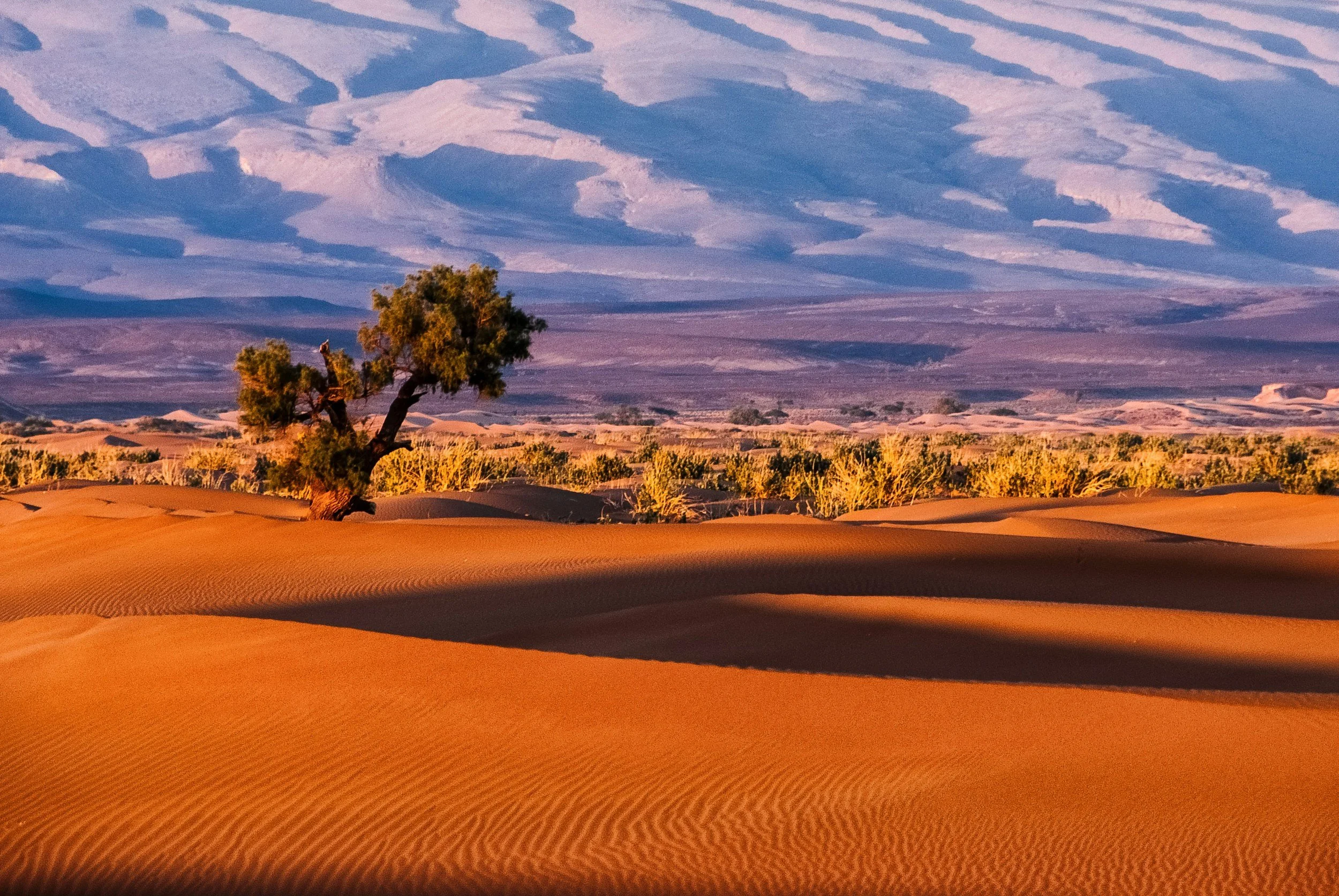
Desert landscapes might not be the first environments that come to mind when thinking about wellness, but they offer some of the most distinctive retreat experiences.
Morocco's Agafay Desert, located outside Marrakech, has become an interesting setting for luxury wellness experiences. Its rocky landscape provides opportunities for sunrise yoga, outdoor meditation, guided walks and stargazing.
Jordan's Wadi Rum offers another striking environment, where remote accommodation and guided desert exploration allow visitors to experience a very different pace of life.
One of the most interesting aspects of these retreats is the reduced sensory stimulation. Without the constant activity of cities, guests can experience long stretches of quiet, open landscapes and uninterrupted time outdoors.
Some retreats incorporate traditional hammam experiences, combining bathing rituals, relaxation and local cultural traditions.
But remote doesn't automatically mean restorative.
When reviewing retreats in isolated locations, I pay particular attention to how the experience is organised. Transport, accommodation, access to medical assistance, experienced local guides and a thoughtfully structured programme become especially important when guests are far from major infrastructure.
The destination may be extraordinary, but the retreat leader still needs to know how to turn it into a safe and worthwhile experience.
6. Waterfalls, Lakes and Wild Swimming: Wellness Beyond the Spa
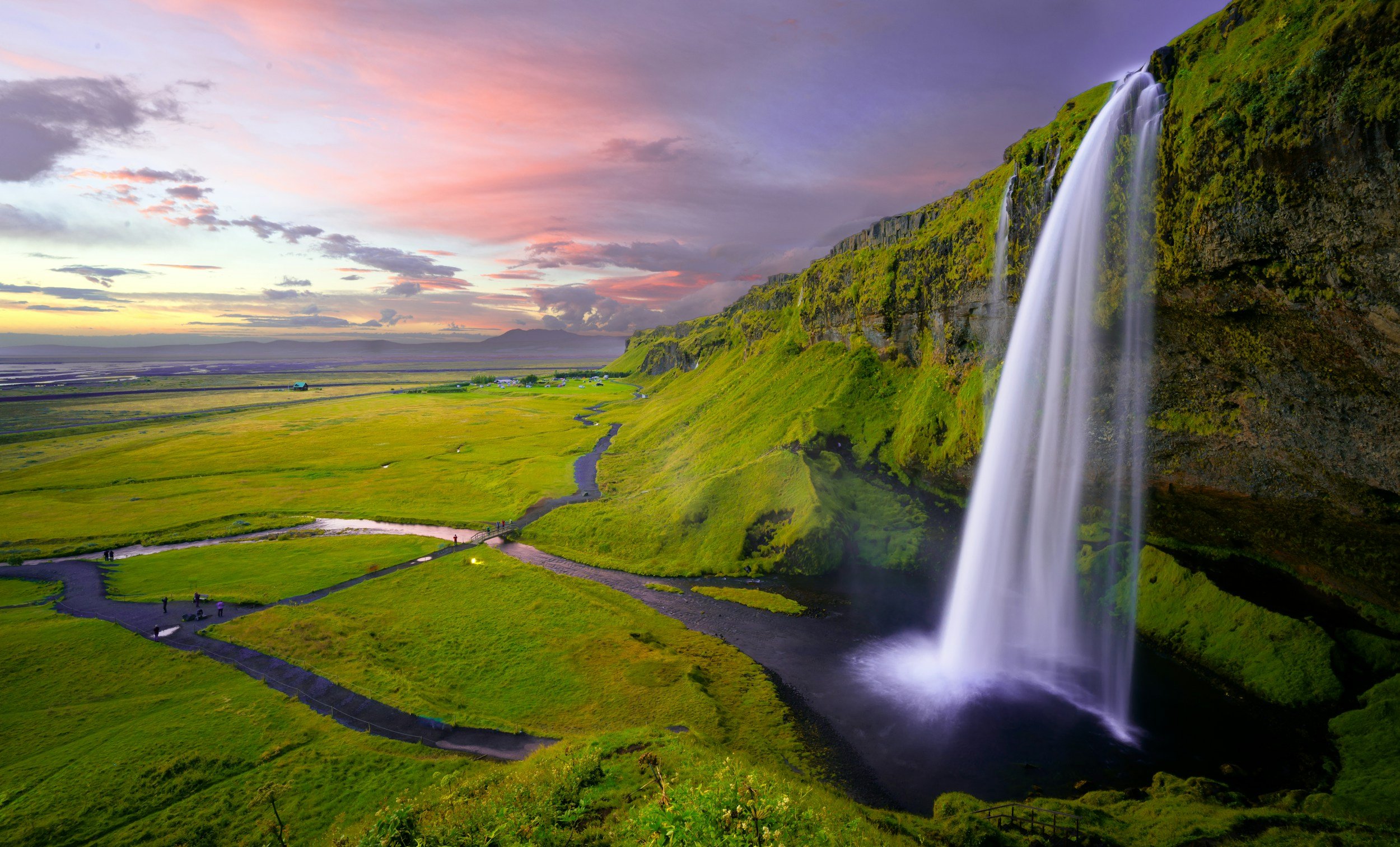
Some of the most memorable nature-based experiences don't require a dedicated wellness facility at all.
Natural swimming holes, waterfalls and mountain lakes offer opportunities to interact directly with the environment. In destinations such as Slovenia, Bali and Costa Rica, freshwater landscapes can become an important part of a retreat programme.
Wild swimming is particularly interesting because it combines physical activity, adventure and direct contact with nature.
The experience is very different from swimming in a conventional pool. Natural water temperatures, changing surroundings and the feeling of being immersed in a landscape create an entirely different experience.
A retreat might incorporate a guided waterfall excursion, a visit to an alpine lake or an outdoor swimming session alongside yoga and other activities.
However, these experiences require appropriate planning. Water quality, currents, weather conditions, access restrictions and local guidance all matter. Cold-water immersion also carries physiological risks and isn't suitable for everyone.
The best retreats recognise that interacting with nature should be enjoyable without compromising guest safety or the environment.
7. What Actually Makes a Nature-Based Wellness Retreat Worthwhile?
After reviewing thousands of retreat experiences, I've become increasingly convinced that a beautiful destination is only one part of what makes a retreat successful.
One of the most common issues I encounter is the gap between what a retreat promises and what its actual programme delivers.
A retreat might advertise itself as an immersive rainforest escape, but when you look at the itinerary, most activities take place indoors. Another might promise a transformative mountain experience but offer little more than accommodation with a view.
This is why I believe three elements need to work together: the destination, the programme and the person leading the experience.
First, the programme should be built around the destination. If you're organising a retreat beside natural hot springs, thermal bathing should have a meaningful role in the experience. If you're taking guests into the mountains, the itinerary should make thoughtful use of the landscape. Simply choosing a beautiful property and adding a few yoga sessions isn't necessarily enough.
Second, the retreat leader matters just as much as the location. A wonderful destination and a well-designed itinerary still depend on someone capable of facilitating the experience, managing the group and adapting when things don't go according to plan.
Finally, travellers should look beyond the marketing. Who is organising the retreat? What relevant experience do they have? Are the activities appropriate for the guests? Is there adequate insurance and a clear approach to safety? Does the actual itinerary reflect what is being promised?
At Verified Retreats, we use a simple principle when evaluating experiences: would we confidently recommend this retreat to someone we care about?
That means looking beyond beautiful photography and considering the people, programme, practical arrangements and overall guest experience.
The Best Wellness Experiences Let Nature Lead
From Japanese onsen and Icelandic geothermal pools to Costa Rican rainforests and the mountains of the European Alps, the world's natural environments offer remarkably different ways to experience wellness.
Research increasingly supports the idea that spending time in nature can contribute to psychological wellbeing, although the effects vary between individuals and environments.
For travellers, the opportunity is to find an experience that genuinely matches what they need. Some will prefer the restorative ritual of thermal bathing, others will want adventure, physical movement or several days surrounded by complete quiet.
The most thoughtful wellness retreats understand that there isn't one formula for a meaningful reset. They bring together the right environment, a well-designed programme and a capable leader.
And perhaps that's the most important thing: nature shouldn't simply be the backdrop to a wellness retreat. It should be one of the reasons the experience is worth taking in the first place.
And for anyone ready to turn inspiration into an actual trip, you can explore the retreats featured on Verified Retreats. We bring together options in different destinations and with different approaches to wellness, so you can find an experience that fits what you're looking for, whether that's a few days of thermal bathing, time in the mountains, or a deeper reset surrounded by nature.
Ania Donich is the founder of Verified Retreats, a curated wellness retreat platform helping women discover trusted wellness experiences around the world. Having reviewed thousands of retreats and spoken with more than 4,000 women interested in wellness travel, she brings an industry perspective to the evolving relationship between travel, nature and wellbeing. Through Verified Retreats, Ania advocates for greater transparency in wellness tourism and helps travellers find experiences that offer more than just a beautiful destination.