Find Your Bath House Experience In Any Country This Winter
Go into any bath house and you will experience the same thing. Everyone loses their outside clothes and becomes the same. Our egos literally wash away as we find ways to relax, clean out our toxins, and enjoy time away from work.
Bath houses are the great equalizers of society. They are places where we strip off our uniforms, our smartphones, and our armor. I personally thrive in the warmth but we also have those who love the shock of cold plunges.
Bathing has never been solely about physical hygiene; it is a ritual of community, a pathway to spiritual purification, and a sanctuary from the relentless pace of the outside world.
One of the world’s earliest known public baths was built in the Indus Valley around 2500 BC in present day Pakistan. Today we have everything from the silent, snowy serenity of a Japanese hot spring or the communal, vibrant energy of a Turkish marble hall, and the freezing, birch-scented lakes of Finland.
The Japanese Onsen & Sentō
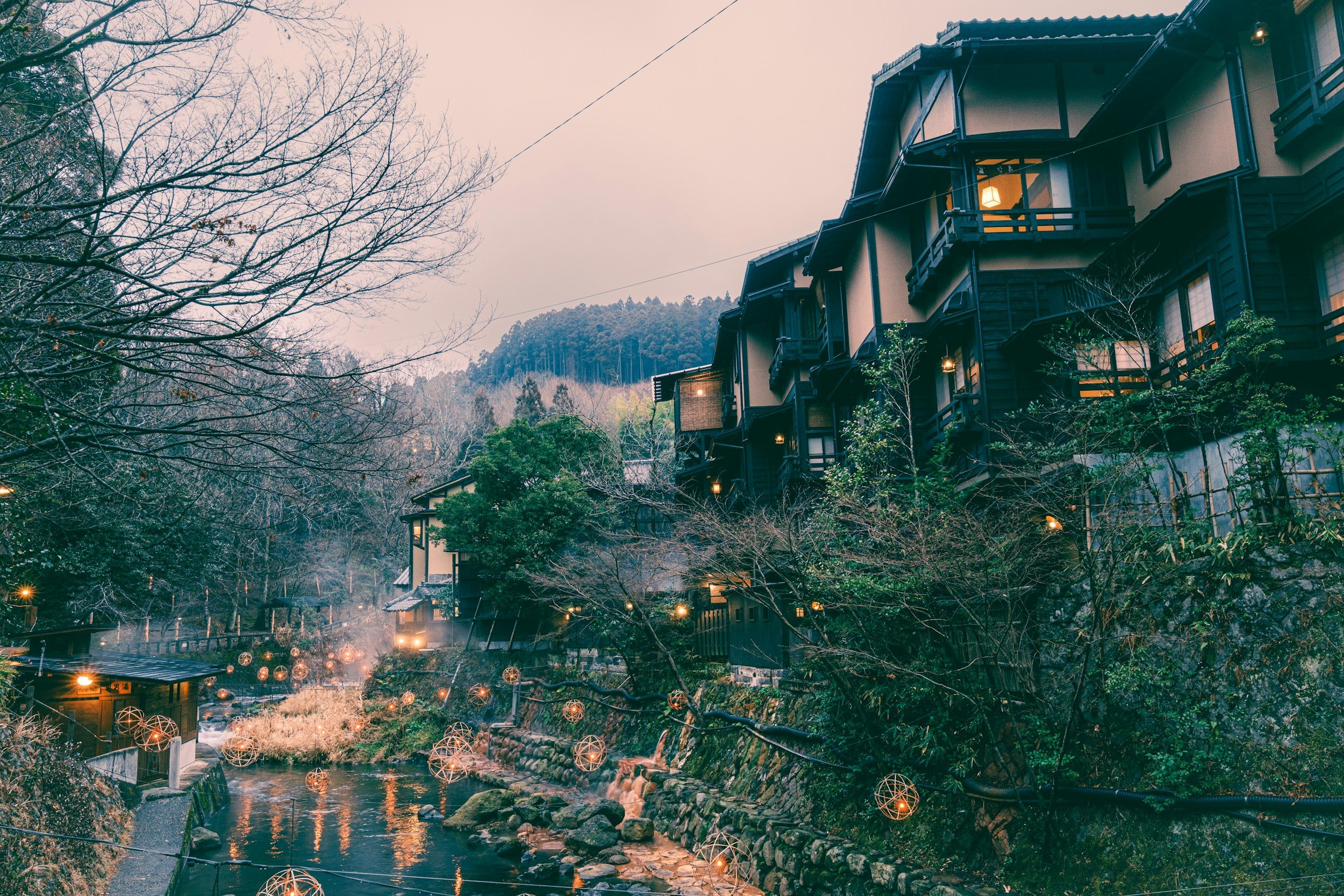
Japan is sits in the volcanic ring of fire, and from this restless earth springs one of the most revered bathing cultures in the world: the onsen (natural hot spring) and its urban counterpart, the sentō (public bathhouse with tap water).
The first public baths in Japan were established in 8th century BC by Buddhist monks serving in shrines of Nara, the ancient Japanese capital.
The term sento is derived from two kanji, 銭 (sen) meaning coin, and 湯 (yu or to) meaning hot water. Combined, these may roughly translate to ‘coin, hot water’, but it was written to show how bathers would pay one sen (or coin) to enter the hot bath.
The first public bath in Edo (now Tokyo) was built in 1591. They rose in popularity and boomed after WWII when many homes didn't have their own bathing facilities.
How it is Unique:
The Japanese bath is not a place to wash; it is a place to soak. The most defining characteristic of the onsen is its strict etiquette. Bathers must completely disrobe—swimsuits are strictly forbidden, as nudity strips away all social status, rendering the CEO and the junior employee entirely equal. Before entering the water, you must sit at a small station and meticulously scrub and rinse your entire body.
Once clean, you enter the water slowly. There is usually a standard bath (41°C – 43°C), a tepid bath (38°C – 40°C), and the aforementioned mizuburo, ice bath (~15°C).
Unlike the boisterous baths of Europe, the onsen is a space of profound quiet. It is deeply tied to the Shinto reverence for nature. The most prized onsen experiences are rotenburo—outdoor baths situated among ancient cedar forests, rushing rivers, or falling snow.
Kinosaki Onsen in Hyogo Prefecture is a quintessential hot spring town where visitors spend their days strolling willow-lined canals in cotton yukata (light kimonos) and wooden clogs, hopping between seven mystical public bathhouses.
For a taste of history, Dogo Onsen in Matsuyama is one of Japan's oldest, boasting over 1,000 years of history and serving as the visual inspiration for Studio Ghibli's Spirited Away.
Myōjin’yu is one of the few remaining sentō in Tokyo still largely in its original state. Built in the miyazukuri shrine style in 1958, the bathhouse is operated by a smiling okami, a female attendant who sits at a bandai booth that straddles the men’s and women’s bathing areas.
A favorite among locals is Atami-yu, tucked into the atmospheric streets of Kagurazaka. Open since 1954, it was once part of the daily routine for the neighborhood’s geisha, who came before work to prepare and returned late at night to wash away their makeup and the fatigue of a long evening. Today its clientele is more varied, but much remains unchanged: The bathwater is still heated with wood-fired boilers, and like many classic Tokyo sento the bathing hall is crowned by a hand-painted mural of Mount Fuji — a traditional symbol of good fortune.
A popular Japanese philosophy regarding the daily ritual of the bath captures its spiritual necessity perfectly:
"In the bath, you are not what you do or what you own. You are simply a body in hot water, and that is enough... It is not a break from life. It is the practice that makes life possible—the daily reset that allows a person to set down whatever they carried today and begin tomorrow clean."
The Turkish & Moroccan Hammam
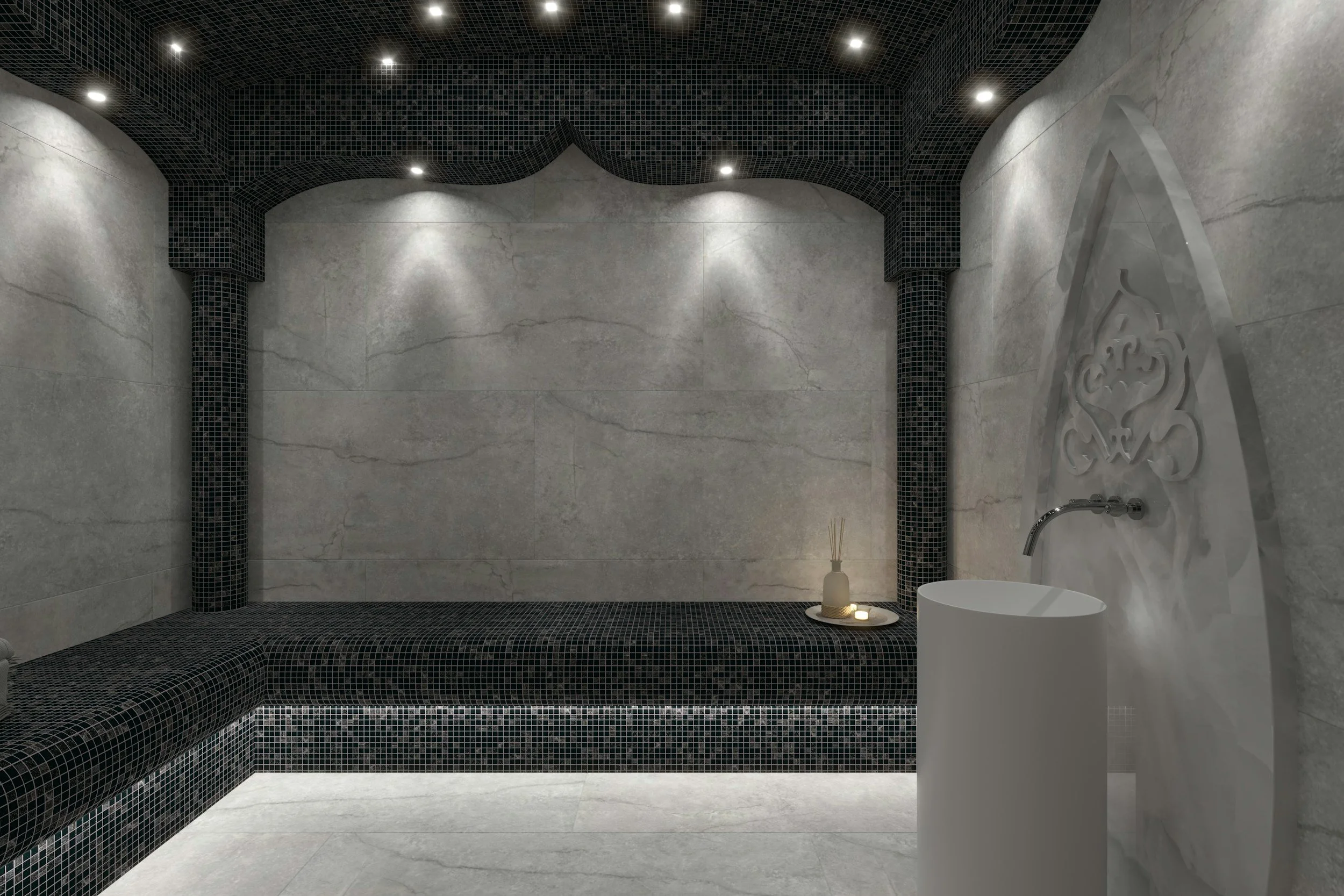
Evolving from the monumental Thermae of the Roman and Byzantine empires, the Islamic Hammam shifted the focus from cold water immersion to warm steam, flowing water, and rigorous physical exfoliation, deeply tied to the Islamic requirement of wudu (purification before prayer).
Muhammad believed that the heat of the hammam (translated from Arabic as “spreader of warmth”) enhanced fertility, and thus the followers of the faith will multiply. Arabs soon adapted foreign bathing habits to their specific needs.
Hammam was also famous for mystical tales of djinns that lived in spring water. When water was heated up, these supernatural beings were said to begin play with each other and hammam visitors. To the observer it looked like clouds of steam going up to the ceiling.
How it is Unique:
The hammam is an architectural marvel and a deeply tactile experience. You typically move through a sequence of increasingly hot rooms under grand, star-pierced domes that let in rays of ethereal light.
You start in the warm room, where an attendant (a tellak for men or natır for women) will douse you in warm water and use a coarse mitt called a kese to vigorously scrub away layers of dead skin you never knew you had. Unlike the quiet of the Japan sento, it is loud, echoing, deeply cleansing, and highly social.
You then move to the hot room. The centerpiece of a Turkish hammam is the göbek taşı, a large, heated hexagonal marble slab in the center of the hot room. This is followed by a surreal massage using mountains of iridescent, fragrant bubbles created from olive oil soap.
Finally, you move to a cool area where you can unwind, rehydrate, and sip tea or sherbet.
In Istanbul, the Ayasofya Hürrem Sultan Hamamı, designed by the legendary architect Mimar Sinan in 1556 for the wife of Suleiman the Magnificent, offers travelers a chance to bathe in imperial Ottoman luxury. In Marrakech, Morocco, the Royal Mansour offers an ultra-luxurious take on the traditional Moroccan hammam, featuring intricate mosaics and black soap made from macerated olives.
The profound connection between the hammam and spiritual cleansing is centuries old. As the 15th-century Arabic scholar Yusuf Abdalhadi wrote
"That who committed many sins should build a hammam to wash them off."
The Finnish Sauna
In Finland, the sauna is not a luxury; it is a biological and cultural necessity. With an estimated 3 million saunas for a population of 5.5 million people, it is the beating heart of Finnish life, a place where babies were once born and the dead were washed.
How it is Unique:
The Finnish sauna is characterized by dry heat in a wooden room, typically heated by a wood-burning stove covered in rocks. The defining element of the Finnish experience is löyly—the enveloping, invisible wave of intense steam and heat created by ladling water onto the hot stones.
Unlike the quiet solitude of the Japanese onsen, the sauna can be social. Bathers often gently whip their skin with a vihta (a bundle of fresh birch branches) to stimulate circulation and release a beautiful, earthy aroma. The cycle is incomplete without the extreme contrast of the cold plunge—stepping out of the 175°F (80°C) heat to roll in the snow or leap into a freezing, ice-cut lake (avanto).
For a modern, architectural marvel, Löyly in Helsinki offers sleek wooden design on the edge of the Baltic Sea, where you can move directly from the smoke sauna into the icy ocean.
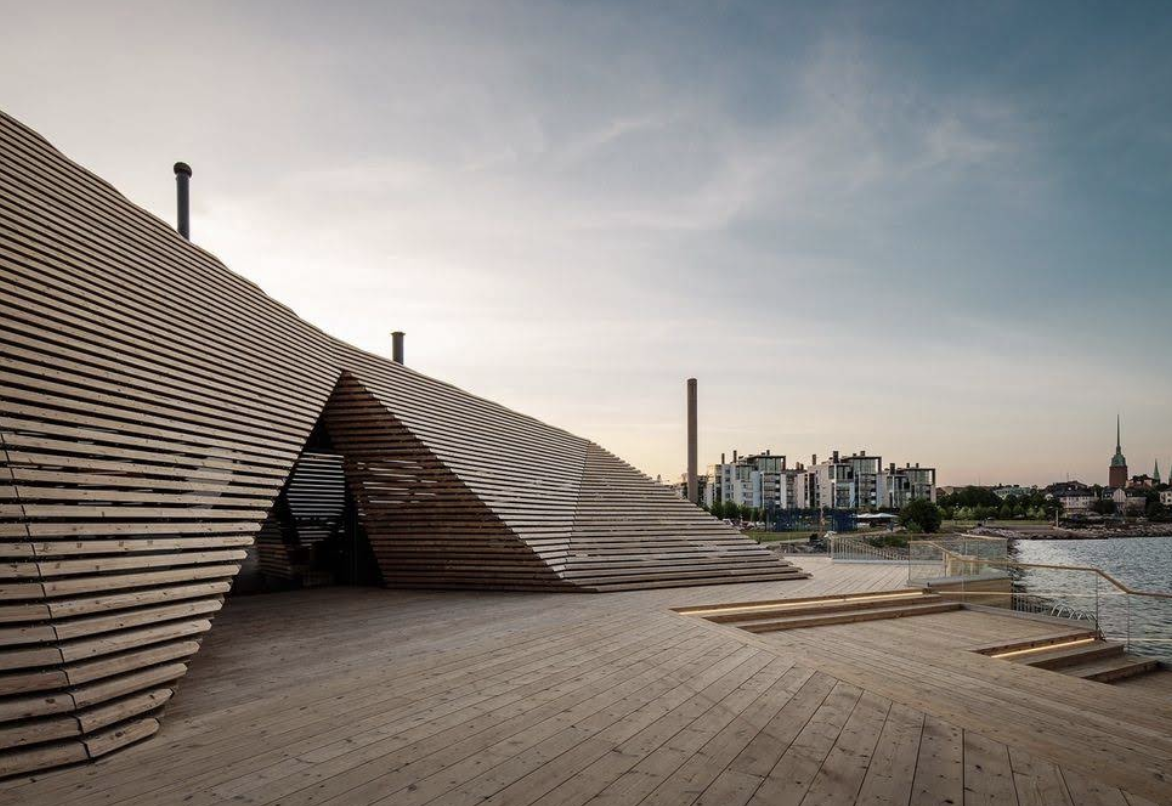
For a deeply traditional experience, seek out a savusauna (smoke sauna) in the Finnish Lakeland region, such as Jätkänkämppä in Kuopio, which lacks a chimney and is heated for hours before the smoke is cleared and bathers enter.
Operating since 1928 in the Kallio district, Kotiharjun Sauna is Helsinki's last remaining traditional wood-heated neighborhood public sauna.
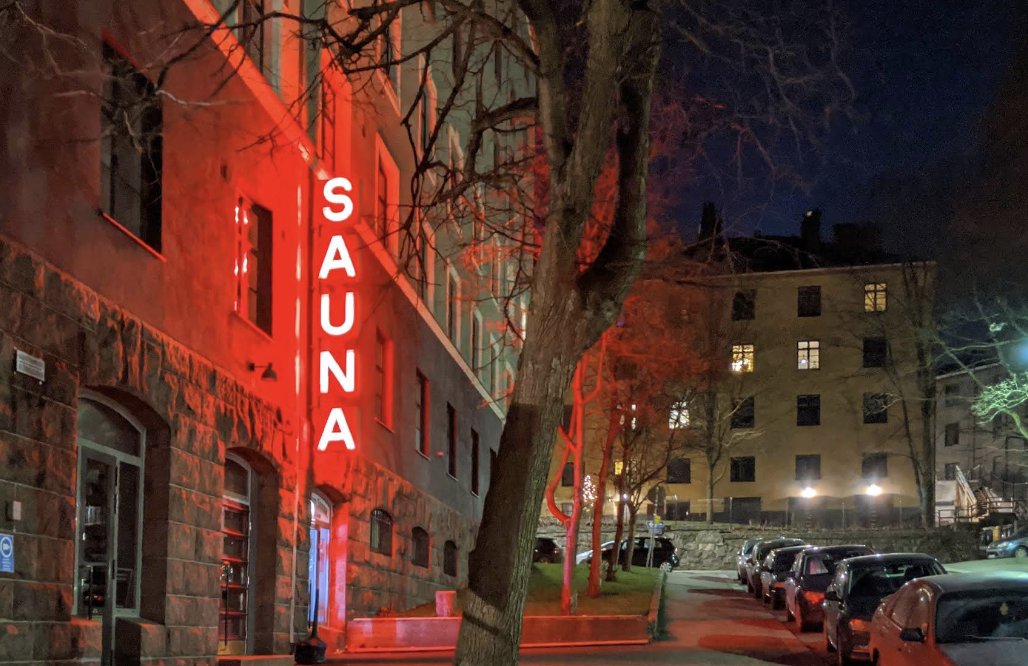
For the sustainability lovers, Lehmonkärki, on the shores of Lake Päijänne near Päijänne National Park, is home to AISTI Sauna & Spa, an adults-only sauna world built around water, rock and Finnish sauna tradition. AISTI Sauna & Spa features five saunas: a genuine smoke sauna, a steam sauna, a tar sauna, a scenic sauna and a Sisu-sauna. The smoke sauna won the 2026 award for Finland’s best smoke sauna.
The Finns view the sauna as the ultimate equalizer and peacemaker, perfectly encapsulated by an old national proverb:
”Saunassa viha viilenee, löylyssä sappi sammuu.”
(In the sauna, anger cools down; in the löyly [steam], bitterness burns out.)
The Mesoamerican Temazcal
Originating with the indigenous peoples of Mexico and Central America, including the Aztec and Maya, the Temazcal (from the Nahuatl word temazcalli, meaning "house of heat") is far more than a physical bath—it is an intense, shamanic ceremony of spiritual rebirth.
I was fortunate enough to participate in the native american version of these known as a sweat lodge in California. Largely a silent activity, we briefly met and heard about the protocol before entering the darkened sweat lodge. As we sung and held prayer those supporting the ceremony added water to stones that had previously been held in the fire. The room rapidly filled with steam, making it hard to breath, until finally the leader opened the door slightly to allow steam out. The experience forces you to face discomforts and find ways to release them.
How it is Unique:
Unlike the towering domes of a Roman bath, the Temazcal is a small, dark, dome-shaped structure built from volcanic stone, mud, or adobe, intentionally designed to represent the womb of Mother Earth. The ceremony is led by a Temazcalero (a guide or shaman).
Volcanic stones, affectionately called abuelitas (grandmothers) because they carry the ancient memory of the earth, are heated in a fire outside and brought into the center pit.
The guide pours water infused with medicinal herbs—like copal, sage, rosemary, and eucalyptus—over the stones. The ceremony usually passes through four "puertas" (doors or stages) dedicated to water, air, fire, and earth, accompanied by intense heat, chanting, indigenous songs, and prayers. When you crawl out of the small door into the cool air, it is viewed as a literal and spiritual rebirth.
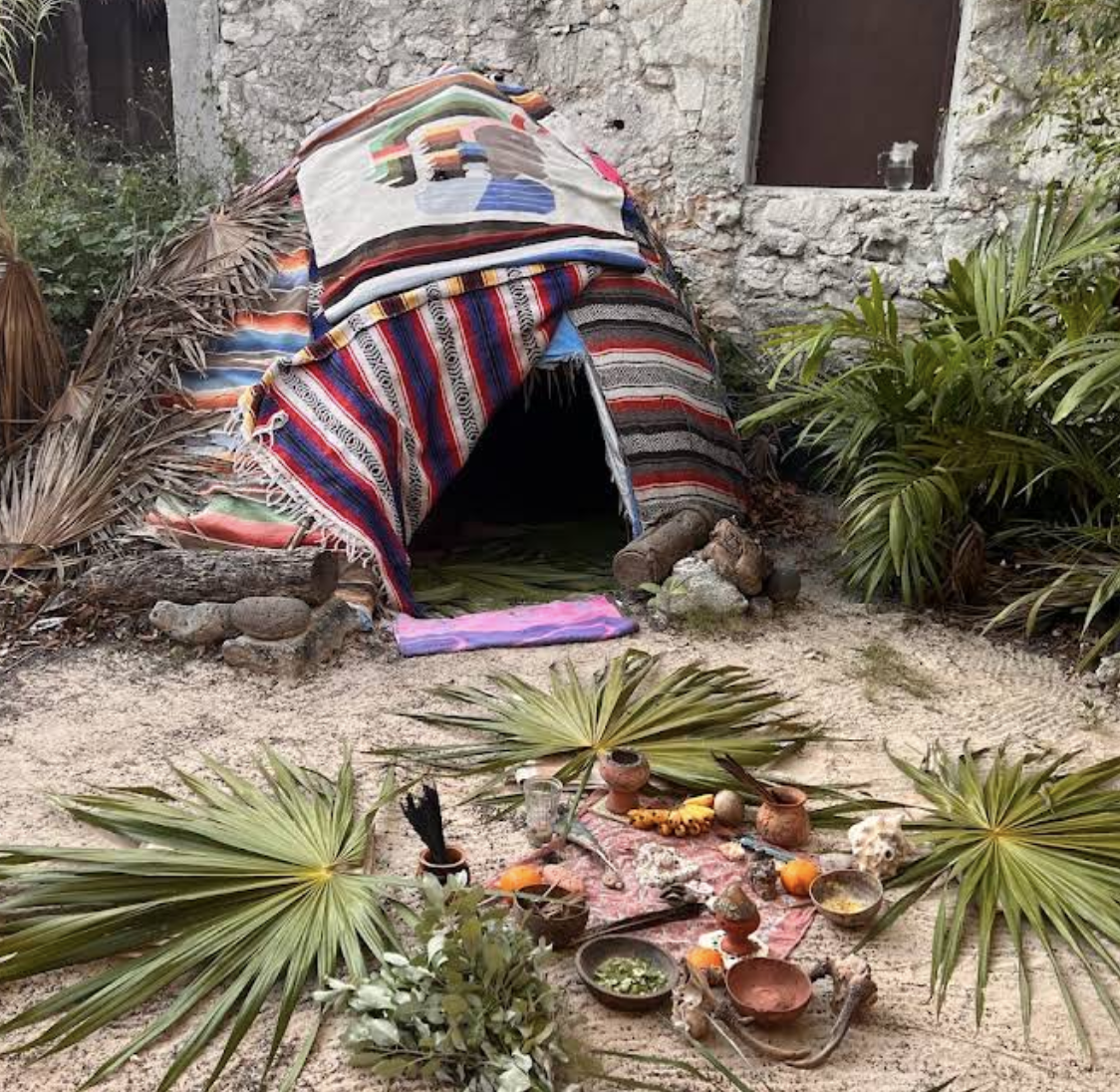
Travelers can experience highly authentic, respectful Temazcal ceremonies throughout the Yucatán Peninsula and Oaxaca. Yäan Healing Sanctuary in Tulum offers guided ceremonies led by Mayan healers, while the rugged mountains of Tepoztlán (a town famous for its mysticism near Mexico City) offer deeply traditional, community-led lodges.
The spiritual gravity of the space is undeniable. According to local lore:
One Mayan legend tells of Ixchel, goddess of fertility and healing, gifting the temazcal to humankind as a sacred space to cleanse body and spirit.
Upon entering the dark dome, participants often place their forehead to the earth and utter the traditional Nahuatl greeting:
"Ōmeteōtl" (acknowledging the Dual Cosmic Energy or Great Spirit), asking permission to enter for the healing of oneself and humanity.
The Korean Jjimjilbang
If the Temazcal is an intense, solitary spiritual journey, the Korean Jjimjilbang is an exuberant, family-friendly, all-day community affair. These sprawling, multi-level bathhouses are open 24 hours a day and serve as a cornerstone of Korean wellness and social life.
How it is Unique:
The Jjimjilbang is split into two distinct areas. First are the gender-segregated wet baths, where nudity is required. Here, you soak in various temperature pools and undergo the legendary seshin—an incredibly vigorous full-body scrub administered by an ajumma (middle-aged woman) wielding a brightly colored viscose mitt.
After the wet baths, you put on a provided cotton uniform (like pajamas) and enter the co-ed communal areas. This is what sets the Jjimjilbang apart.
You will find towering, dome-shaped kilns heated with oak wood, rooms lined with Himalayan salt crystals, walls made of healing yellow mud, and freezing ice rooms to tighten the pores. Families lounge on the heated floors (ondol), watch television, take naps, and snack on maekbanseok gyeran (eggs slow-baked in the saunas) and sikhye (a sweet, icy rice beverage).
Spa Land Centum City in Busan is widely considered one of the most luxurious Jjimjilbangs in the world, featuring 13 distinct saunas and water sourced from two different underground springs.
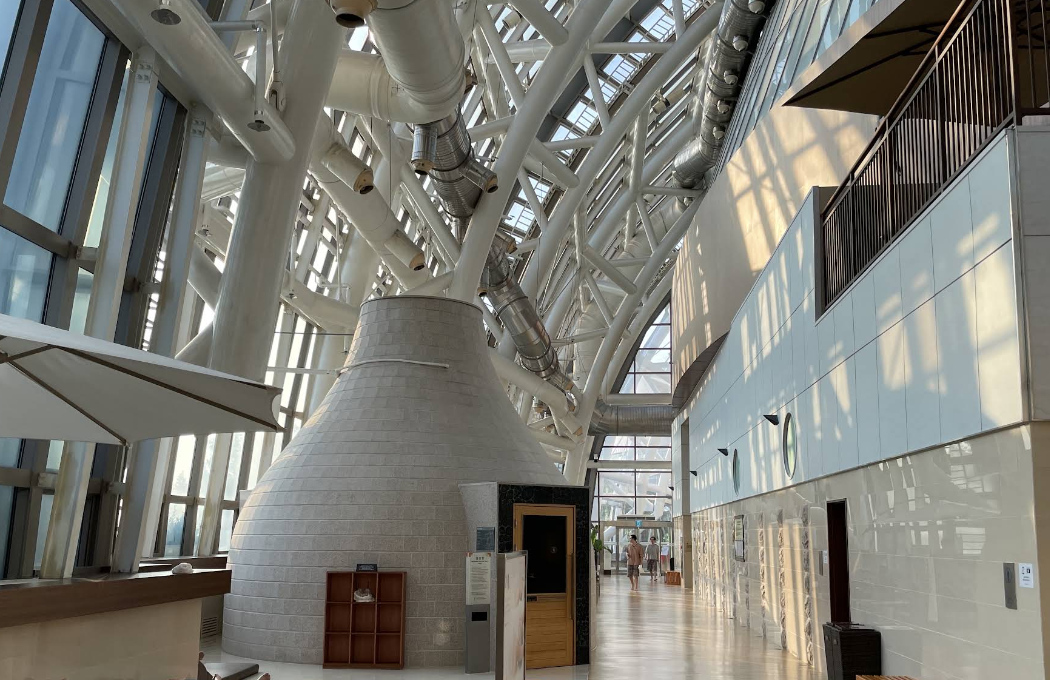
In Seoul, the massive Dragon Hill Spa offers a quintessential, bustling, multi-story experience right in the heart of the city.
But you don’t have to leave the United States to experience korean spas. My favorite is Spa World in northern Virginia where you can spend all day and all night in hot tubs, saunas, rooms filled with minerals, or just taking a nap in the wide open relaxation room. I was fond of the hot rooms full of amethyst covered walls or the rooms where the floor was covered in balls of hot clay where you could sink your toes and fingers into.
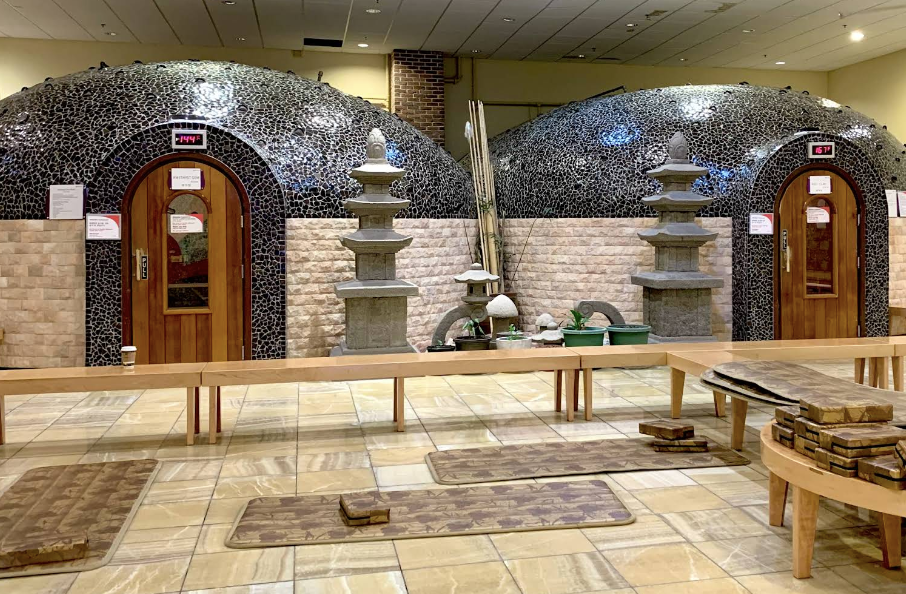
Because communal bathing is so normalized from childhood, the Korean spa fosters a radical sense of body acceptance. As comedian Margaret Cho beautifully wrote regarding her experiences in Korean spas.
"They are part of me, just like my scars, my fat, my eternal struggle with gravity."
It is a place where bodies of all ages, shapes, and sizes exist together without judgment.
The Icelandic Heitir Pottar
In Iceland, sitting in hot water isn't a spa treatment—it is the bedrock of civic society. Sitting on the Mid-Atlantic Ridge, the island is bubbling with geothermal energy. Faced with dark, freezing winters and howling North Atlantic winds, Icelanders harnessed this energy to create a unique outdoor bathing culture.
How it is Unique:
Iceland has swimming pools (sundlaugar) in nearly every town, no matter how small, but the real magic happens in the heitir pottar (hot pots). These are small, circular geothermal hot tubs situated outdoors.
Because alcohol is expensive and winters are harsh, the local hot pot serves the exact same function as the British pub or the French café. It is the town square. Early in the morning or late at night, Icelanders gather in the steaming 100°F (38°C) waters while snow falls around them to discuss politics, weather, and neighborhood gossip.
Like Japan, hygiene is paramount; there are strict rules enforced by "shower wardens" requiring bathers to shower completely naked with soap before putting on their swimsuits and heading out into the cold air.
While the Blue Lagoon is the most famous, featuring milky-blue, silica-rich waters surrounded by black lava fields, newer additions like the Sky Lagoon in Reykjavik offer a stunning infinity edge that blends seamlessly into the North Atlantic Ocean. However, for a true local experience, simply visit Laugardalslaug, Reykjavik's largest public pool complex, and slide into a hot pot next to the locals.
But the true hot pots are the Drangsnes Hot Pots, three geothermal hot tubs located directly on the shoreline in Drangsnes in the Strandir region of Iceland. They are free and sit on the shoreline of the ocean. There’s little here but some small changing rooms.
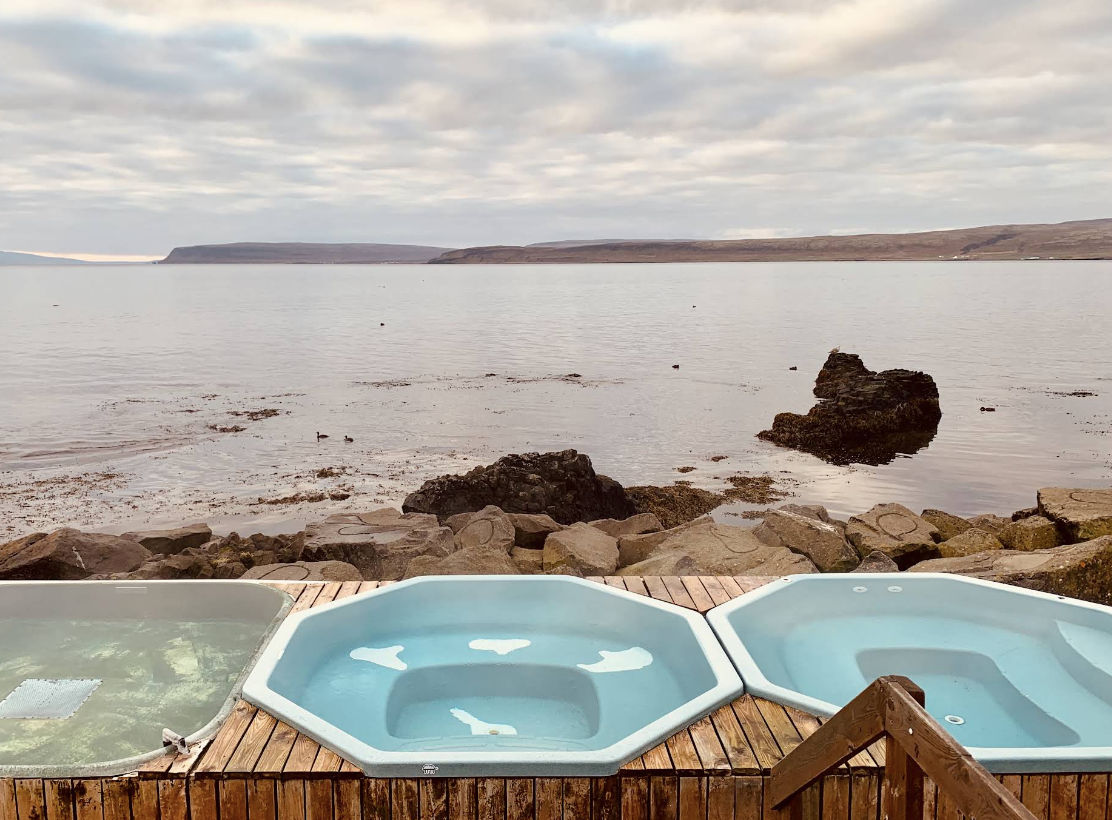
The draw of these geothermal oases touches on something deeply primal in the human spirit. In discussions of Icelandic aquatic culture, the magnetic pull of the water is described as a return to our origins:
"This is for those who heed the siren call of the water... who seek to understand ourselves, that lost, quiet state of just being—no technology, no beeps—dating back to our watery human origins... There's something primal about a day like that... it's all the animals heading to the watering hole."
The Russian Banya
Deeply ingrained in Eastern European culture, the Russian banya is not for the faint of heart. It is a place of blistering heat, robust camaraderie, and an intense physical fortitude that has been celebrated by Russian authors from Pushkin to Dostoevsky.
How it is Unique:
Unlike the dry heat of a Finnish sauna, the banya's parilka (steam room) is characterized by high heat and high humidity. The temperature can exceed 200°F (93°C), which is why bathers wear distinct, bell-shaped felt hats (bannaya shapka) to protect their heads and hair from overheating.
The undisputed centerpiece of the banya is the venik—a leafy, fragrant bundle of oak, birch, or eucalyptus branches. But you must be prepared for a bit of a beating!
A banshik (attendant) or a fellow bather uses the venik to vigorously lash and massage your skin. This isn't a punishment; it drives intense heat deep into the muscles, removes toxins, and releases essential oils into the air. Afterward, bathers plunge into freezing water or snow, followed by long periods in the resting room drinking black tea, eating cured meats, and playing cards.
The Sanduny Baths (Sandunovskie Bani) in Moscow is a legendary institution. Opened in 1808, it drips with Romanov-era opulence, featuring gilded columns, marble staircases, and vaulted Gothic ceilings. For stateside travelers, urban bathhouses like the Russian and Turkish Baths in New York City offer an unapologetically authentic, no-frills banya experience.
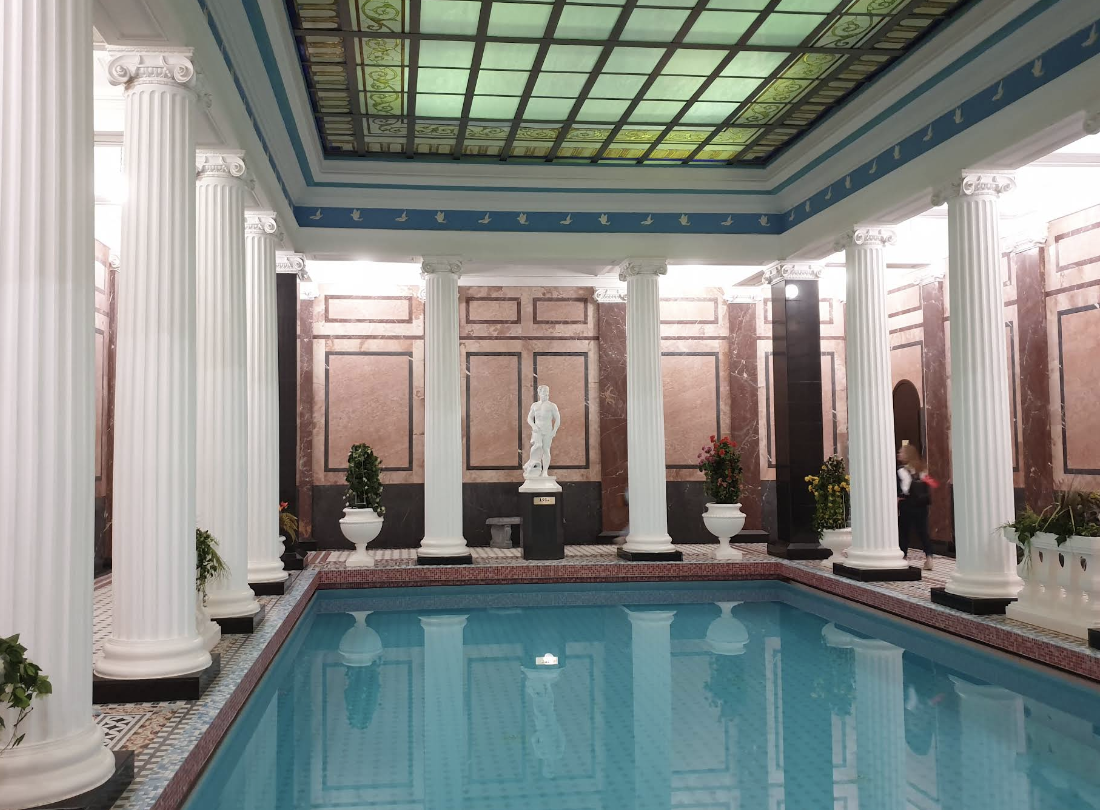
If you are in the states, I love Archimedes Banya in San Francisco. This russian bath house is tucked away into a somewhat seedy side of the city. Once inside you wander naked with everyone else between hot and cooler pools, saunas, and if you are lucky a venik massage. On a nice day you can pick up some food and enjoy it on the rooftop overlooking the city and the bay.
The profound respect for the banya in Russian life is captured in a famous national proverb:
"V banye myt’sya – zanovo rodit’sya."
(To wash in a banya is to be born anew.)
The Hungarian Thermal Baths
Budapest literally sits on a geological fault line that produces over 100 thermal springs. During the Austro-Hungarian Empire, the city harnessed these mineral-rich waters to build sprawling, palatial bath complexes that function as both medical clinics and the city's primary social hubs.
How it is Unique:
Hungarian baths are architectural masterpieces, often built in grand Neo-Baroque or Art Nouveau styles. Unlike the silent, meditative baths of Japan, Budapest’s baths are wonderfully lively.
You will see people of all ages gossiping, reading, and most famously, older gentlemen playing intense games of chess on floating cork boards right in the steaming water.
These waters are classified as medicinal. They are heavy in calcium, magnesium, and hydrogen carbonate. In Hungary, balneotherapy (the treatment of disease by bathing) is a recognized medical science, and doctors regularly prescribe weeks of thermal soaking for joint pain and circulation issues.
The Széchenyi Thermal Bath is the largest medicinal bath in Europe, famous for its massive, butter-yellow outdoor courtyard where locals bathe even in freezing snowstorms. Alternatively, the indoor pools of the Gellért Baths offer an absurdly gorgeous Art Nouveau experience, complete with turquoise Zsolnay mosaic tiles, Roman columns, and glass skylights.
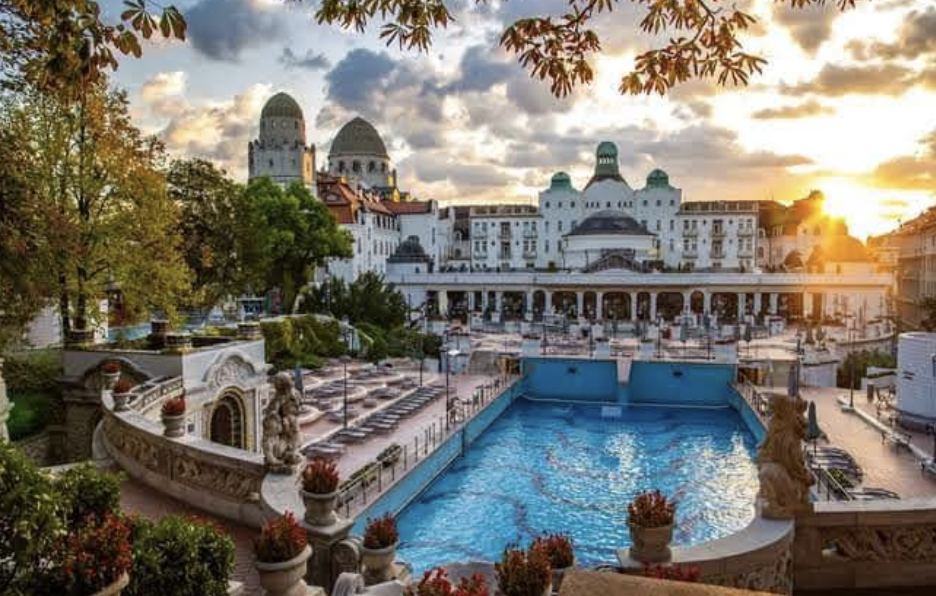
Hungarian writer Sándor Márai beautifully summed up why the baths are the true soul of Budapest:
"The bath is the only place where the Hungarian can be truly at peace. In the warm water, politics lose their edge, and the weary body remembers that it belongs to the earth.
The German Therme
Germany boasts a bathing culture that is a fascinating paradox of strict, disciplined rules and absolute, uninhibited freedom. The German Therme (thermal bath complex) combines family-friendly water parks with massive, adults-only sauna landscapes where Freikörperkultur (FKK, or "Free Body Culture") reigns supreme.
How it is Unique:
In the expansive sauna areas of a German Therme, clothes of any kind are strictly forbidden. You must be naked, though you are required to sit on a towel large enough so that absolutely no sweat (or other parts) touches the wood.
The highlight of the German sauna is the Aufguss (infusion) ritual. At scheduled times, a highly trained Saunameister (sauna master) enters the cabin. They pour water or crushed ice infused with strong essential oils over the hot stones. Then, using a large towel or flag, they perform a highly choreographed, aggressive, and sometimes acrobatic routine to whip the blistering, scented steam directly at the bathers.
It is an intense, theatrical wall of heat, often performed to dramatic music, and bathers are expected to remain completely silent until it finishes.
Therme Erding, located just outside Munich, is the largest thermal bath complex in the world, featuring 35 distinct saunas (including a traditional Bavarian bakery sauna where they bake bread while you sweat). For 19th-century elegance, Friedrichsbad in Baden-Baden offers a magnificent 17-step Roman-Irish bathing sequence beneath a soaring frescoed dome.
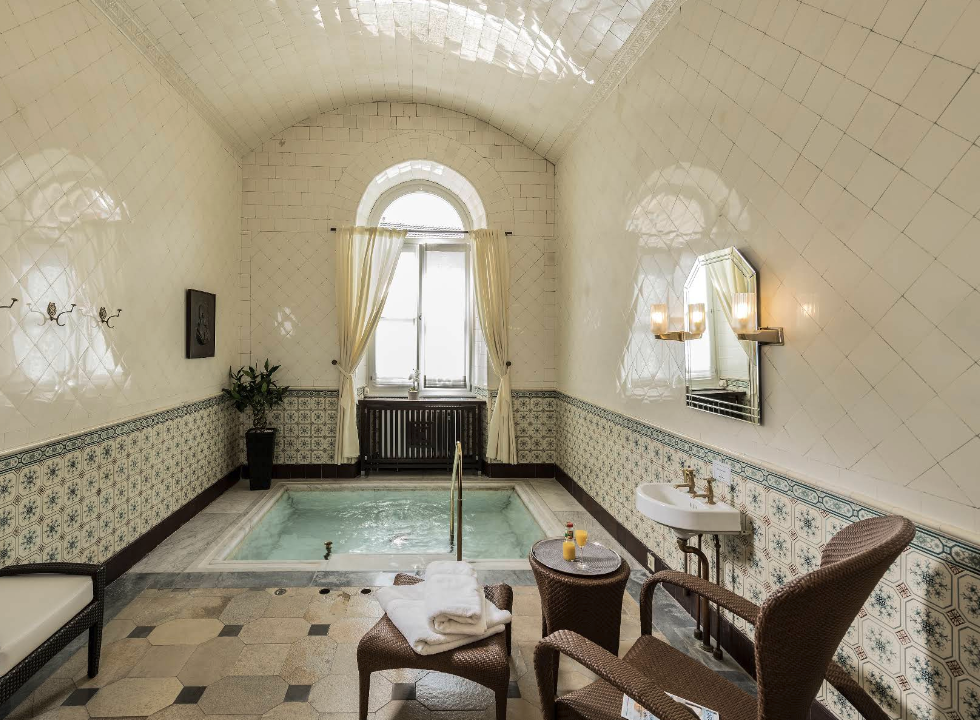
American author Mark Twain visited Friedrichsbad in 1878 and was so taken by the hypnotic, methodical nature of the German bathing sequence that he famously wrote:
"After ten minutes you forget time, after twenty minutes you forget the world.”
The Roman Thermae
While the Roman Empire has long since fallen, no guide to bathing cultures is complete without acknowledging the Thermae. The Romans didn't just build baths; they built massive aquatic cities that served as the blueprint for almost every modern western spa.
Roman thermae contained pools and baths with hot and cold water, hot-air rooms, gyms, libraries, restaurants, concert halls and much more. Thermae were centers of communities, where people could discuss news, debate philosophical ideas, present their art and celebrate important events of their life.
How it is Unique:
Roman baths were engineering marvels powered by the hypocaust—an ancient underfloor heating system fueled by wood fires tended by slaves. The Roman bathing sequence was a specific journey of temperatures.
A bather would exercise in the palaestra, sweat in the dry heat of the laconicum, clean themselves with olive oil and a curved metal tool called a strigil in the warm tepidarium, open their pores in the sweltering caldarium, and finally shock their system by plunging into the freezing frigidarium.
The baths were the ultimate social equalizer of antiquity. Emperors and plebeians alike shared the waters, brokering business deals, reading in attached libraries, and debating philosophy.
While you can no longer swim in them, the Roman Baths in Bath, England remain one of the best-preserved ancient bathing sites in the world, where 1.17 million liters of steaming spring water still fill the lead-lined pool every day.
To actually bathe like a Roman today, the Aire Ancient Baths (with locations in Sevilla, New York, and Chicago) meticulously recreate the candlelit, subterranean progression of the tepidarium, caldarium, and frigidarium in breathtaking historic buildings.
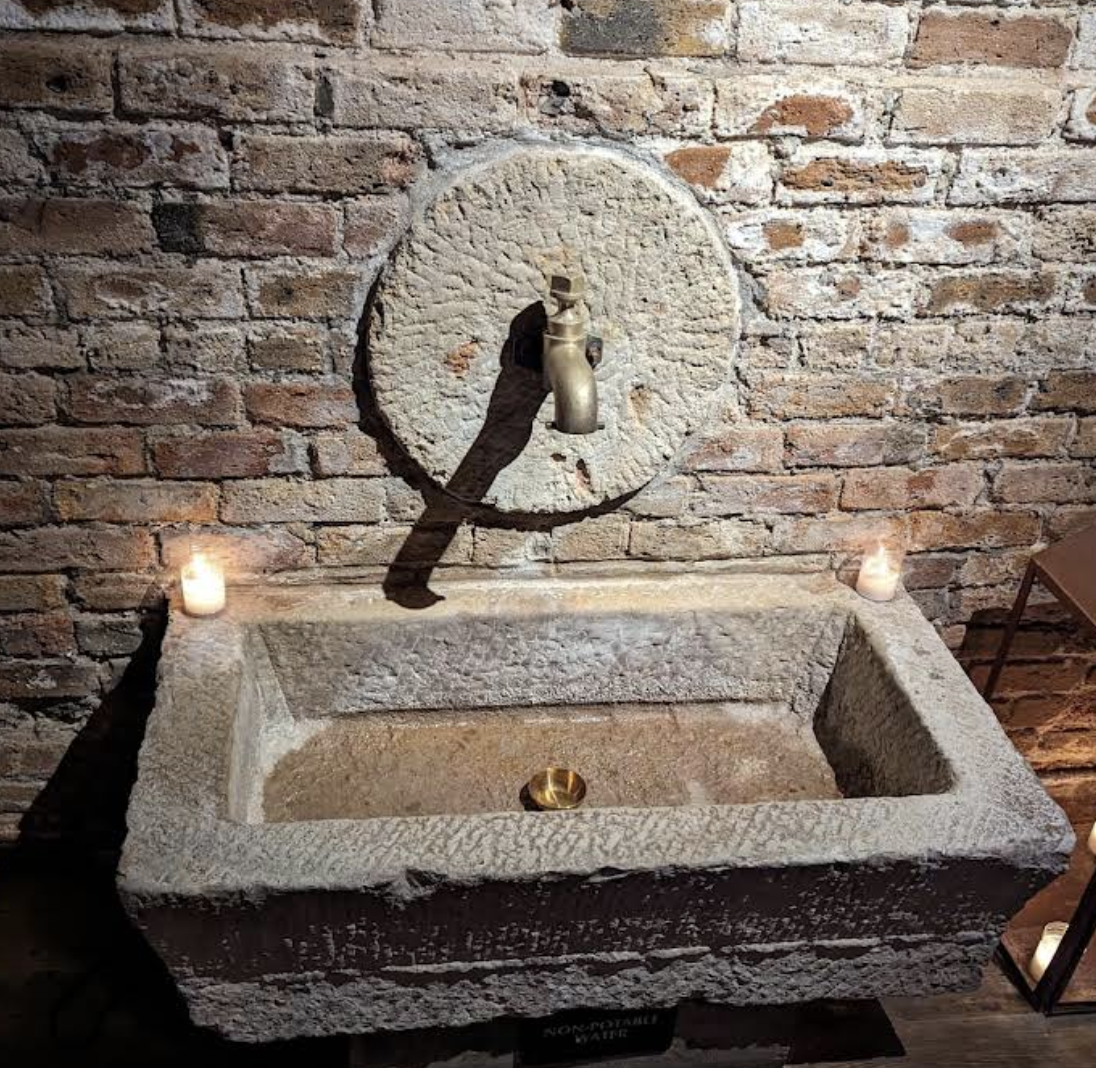
The Roman obsession with the healing power of the baths was absolute, famously summarized by an inscription found carved into an ancient bathhouse in Timgad:
"Venari, lavari, ludere, ridere, hoc est vivere."
(To hunt, to bathe, to play, to laugh, this is to live.)