Relax Your Legs In These Hot Springs After A Hike At Machu Picchu
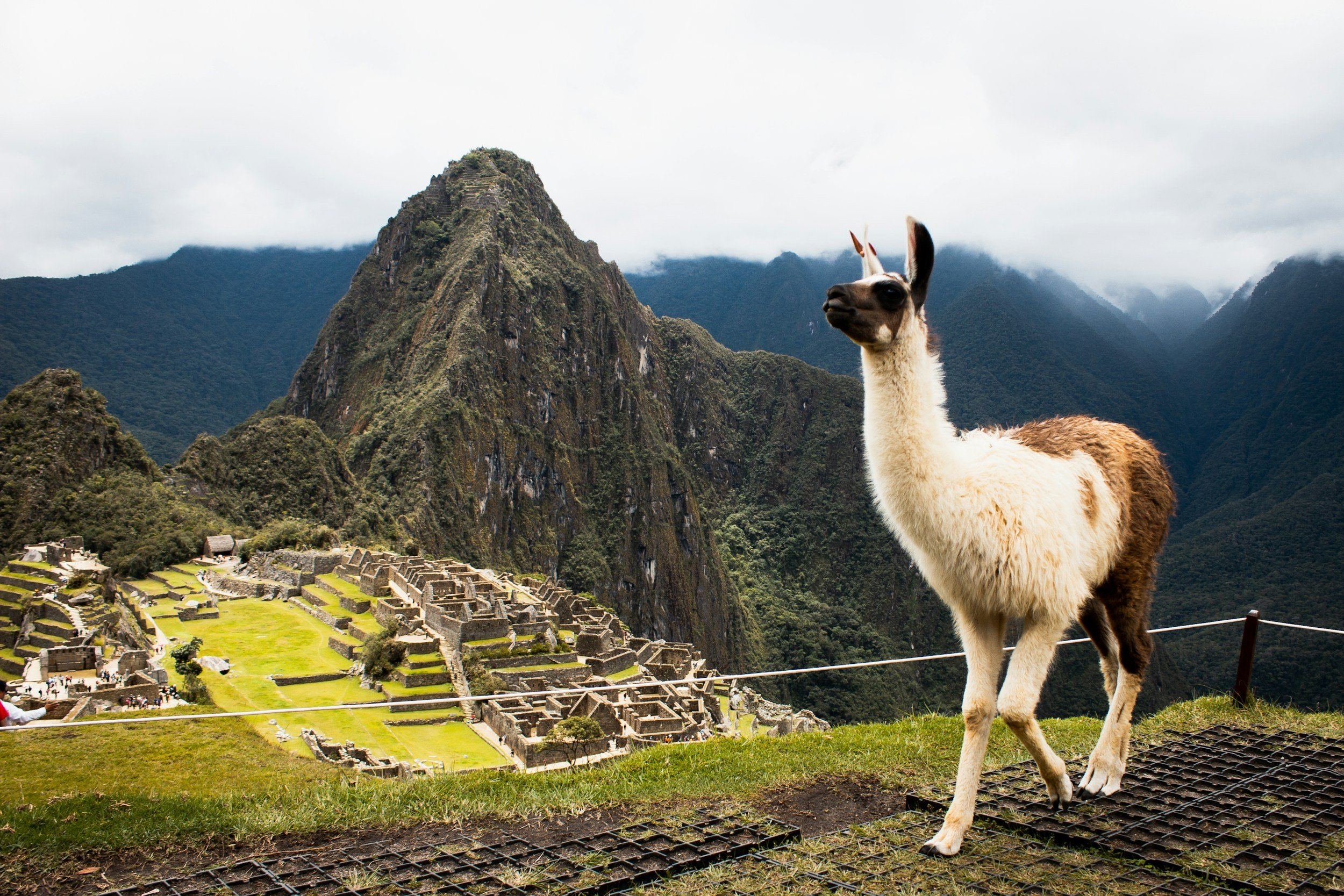
Peru’s Andes Mountains are a landscape of extremes, forged by the slow, violent collision of the Nazca and South American tectonic plates. This geological turbulence has created some of the most dramatic scenery on Earth, from the jagged, cloud-piercing peaks of the Sacred Valley to the deep, subtropical canyons that cradle Machu Picchu.
For centuries, the Incas revered these waters. They viewed geothermal springs as paqarinas—sacred portals connecting the physical world to the underworld (Uku Pacha), where the earth's energy is raw and restorative.
Whether you are seeking a high-altitude recovery soak after conquering the Salkantay Trek or a secluded, mineral-dense bath hidden deep in the Sacred Valley, the Cusco region offers a breathtaking array of thermal experiences.
I am very sensitive to altitude sickness so be prepared! Soaking in water above 40C causes rapid vasodilation. At altitudes exceeding 3,000 meters, this can trigger sudden drops in blood pressure and exacerbate altitude sickness (soroche). Drink twice the amount of water you normally would during a soak. If you have just arrived in the Cusco region, wait at least 48 hours before submerging yourself in a hot spring to allow your cardiovascular system to acclimatize to the thin air.
Many of these springs (especially Lares and Pacchanta) serve as public baths for local communities where indoor plumbing is scarce. Always be respectful, keep noise to a minimum, and bring your own towels and biodegradable soap if you plan to wash before entering the thermal basins.
The geothermal waters surrounding Machu Picchu offer more than just physical relief for weary trekkers; they are an immersion into the very lifeblood of the Andes. Whether you prefer the luxury of a post-hike massage in Aguas Calientes or the silent, icy winds of the Ausangate peaks, Peru's thermal landscape deserves a permanent place on any serious hot spring enthusiast's itinerary.
1. Baños Termales de Machu Picchu
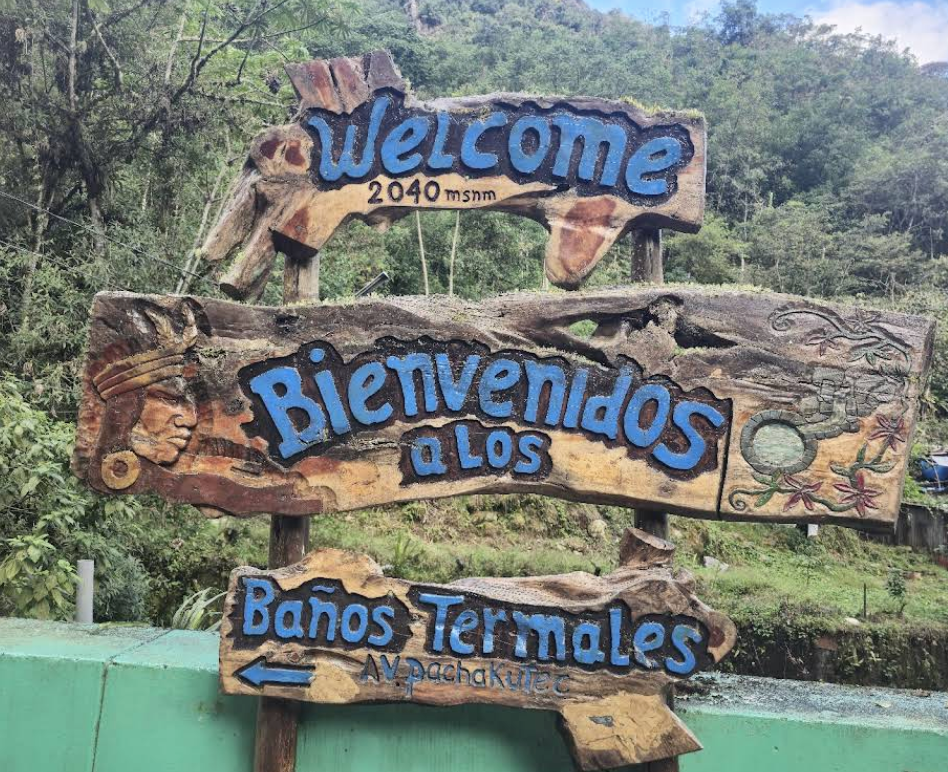
No thermal tour of the region can begin anywhere else. The town at the base of Machu Picchu is literally named "Hot Waters," owing to the sulfurous springs that emerge from the rocky canyon walls.
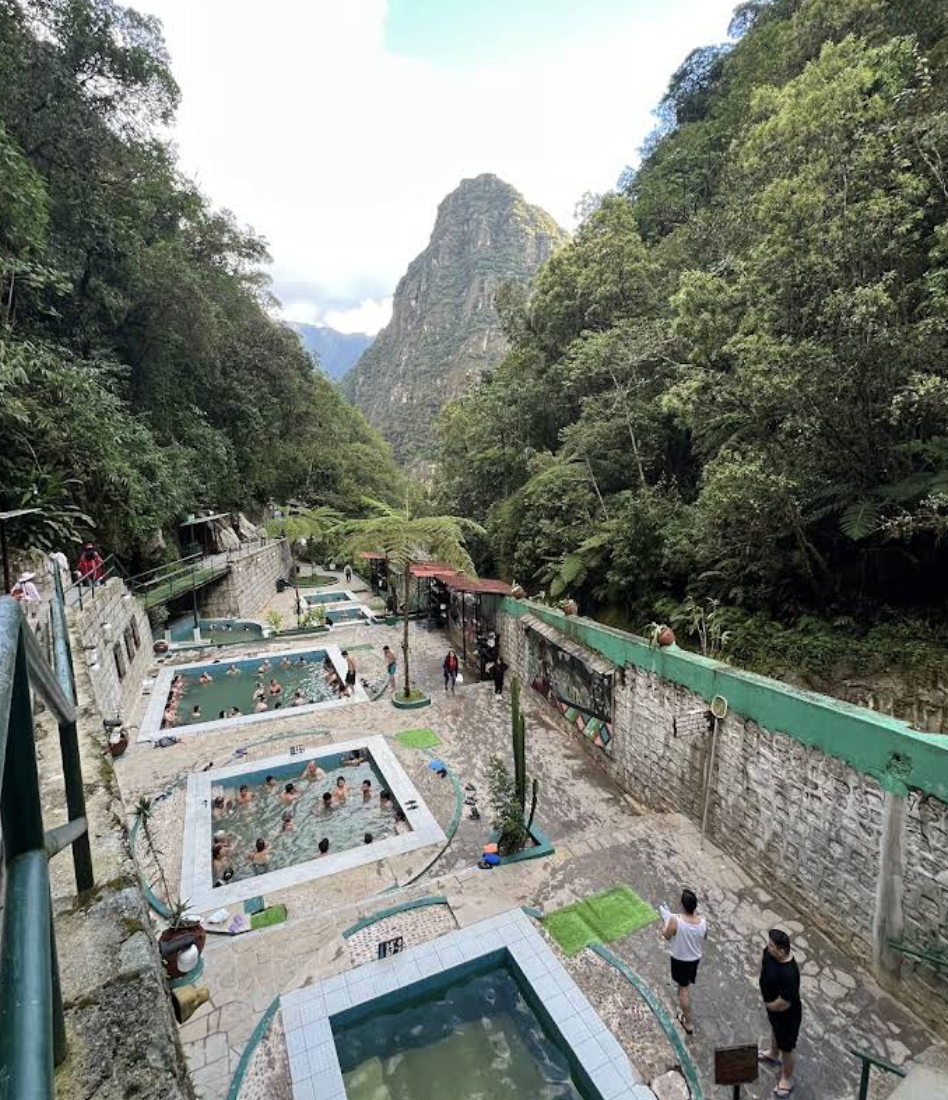
Located at the very edge of the cloud forest, Baños Termales de Machu Picchu are the most famous and heavily visited springs in Peru. They serve as the traditional post-hike reward for thousands of trekkers completing the classic Inca Trail. The pools are built directly into the steep hillside, offering views of the rushing Urubamba River below.
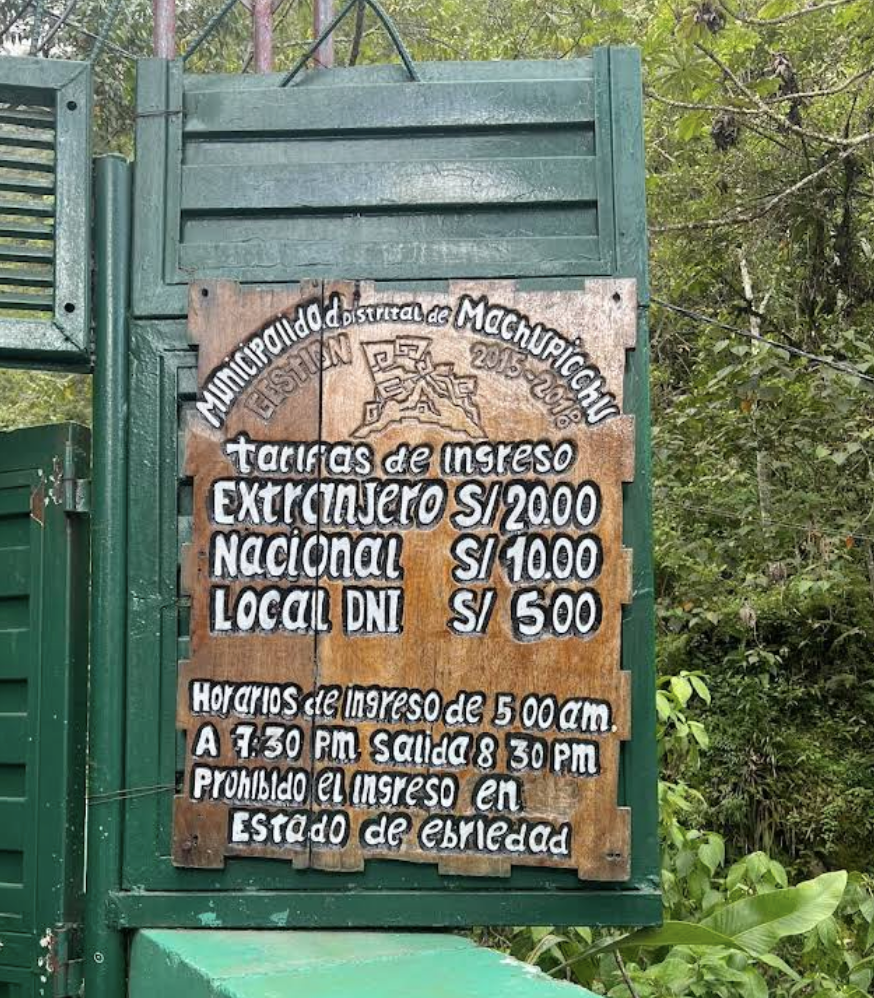
It’s a quick 15-minute walk from the town. There are stores along the streets where you can rent towels and swim suits.
Stay within a seven minute walk of the hot springs at the Hotel Raices Machupicchu. The rooms are very simple but clean and they leave beautiful red roses on the bed (maybe you can pretend they were your idea).
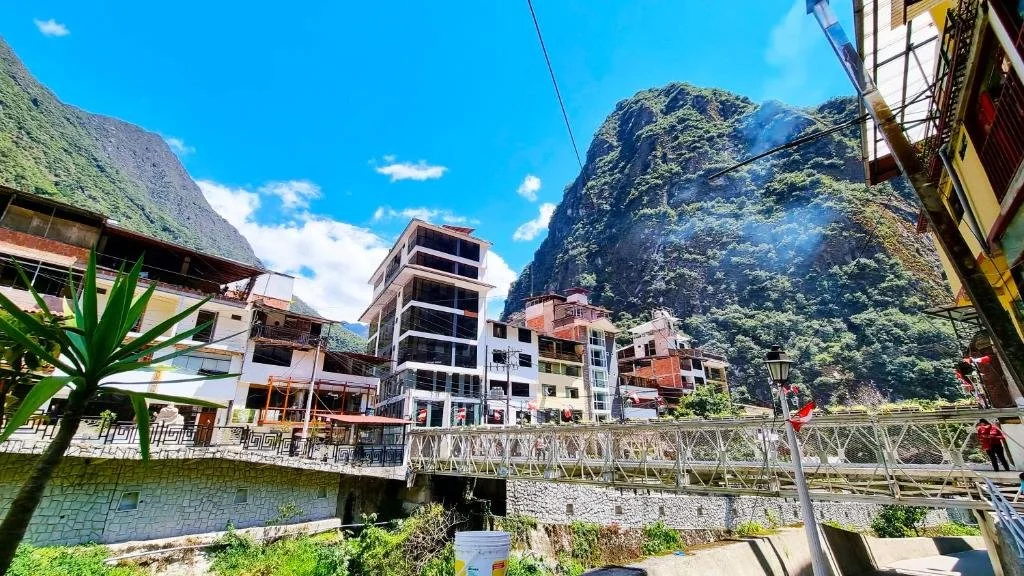
The walk to the springs is pleasant, the water was 93 - 100 degrees with cold fountains. They have a 1.5 hr limit, which they didn't seem to mind a longer stay.
There is only a public outdoor shower shared by everyone, not a private one. The lockers are situated outdoors in the public walkway, made of wood.
Bring your swimsuit and a towel. There are changing rooms and a bag check.
If you pay for bath entry and don't bathe, they let you hike up to the waterfalls (value: 15 soles vs the 20 soles baño entry fee).
Water Quality: ★★★☆☆ (3 stars) - The water here has a noticeable yellowish-brown tint, which many tourists mistakenly assume is dirt. In reality, it is a high concentration of sulfur, iron, and other earthen minerals. There is a noticeable sediment and a distinct sulfur odor, but it does not significantly affect the therapeutic experience.
Ease of Access: ★★★★☆ (4 stars) - Getting to the town of Aguas Calientes requires a train ride or a multi-day trek, but once in the village, the springs require only a short, uphill walk on well-maintained stone paths at the end of Avenida Pachacutec.
Ability to be Alone: ★☆☆☆☆ (1 star) - This is the epicenter of Andean tourism. The pools are an overcrowded, noisy environment with little opportunity for quiet soaking. It functions more as a lively, communal gathering space for exhausted hikers swapping stories.
Water Temperature: ★★★★☆ (4 stars) - The facility features several pools ranging from 38 to 46C (100 to 114F), offering comfortable soaking temperatures with room for slight adjustment depending on which basin you choose.
Health Benefits: ★★★★☆ (4 stars) - Despite the murky appearance, there is a noticeable mineral presence with potential health advantages. The sulfur is excellent for skin conditions, and the heat provides immediate relief for lactic acid buildup in the legs.
Nearby Amenities: ★★★★★ (5 stars) - You are in a major tourist hub. High-end spa services, exceptional restaurants, luxury lodging (like the Inkaterra Machu Picchu Pueblo Hotel), and recreational activities are all within walking distance.
2. Baños Termales de Cocalmayo
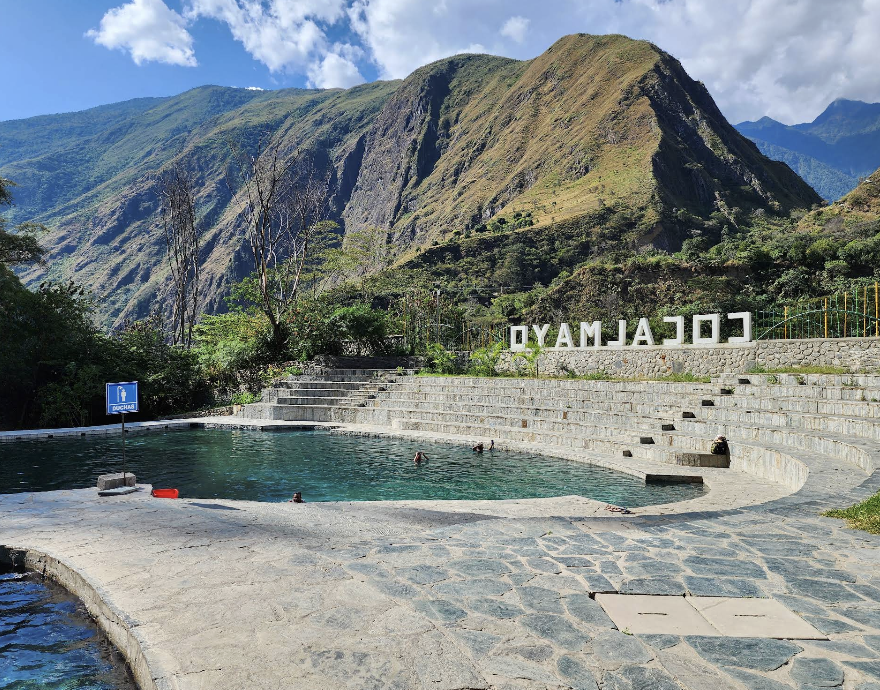
If Aguas Calientes is the crowded commercial center, Cocalmayo is the beautiful, clear-water crown jewel of the Machu Picchu region. Located in the Santa Teresa valley, about a 45-minute drive (or a scenic train and hike) from Machu Picchu, Baños Termales de Cocalmayo sit at the edge of the high jungle.
Located near the town of Santa Teresa and the route to Hydroelectrica, this is the ultimate spot to relax tired muscles after the Salkantay Trek or the long drive from Cusco.
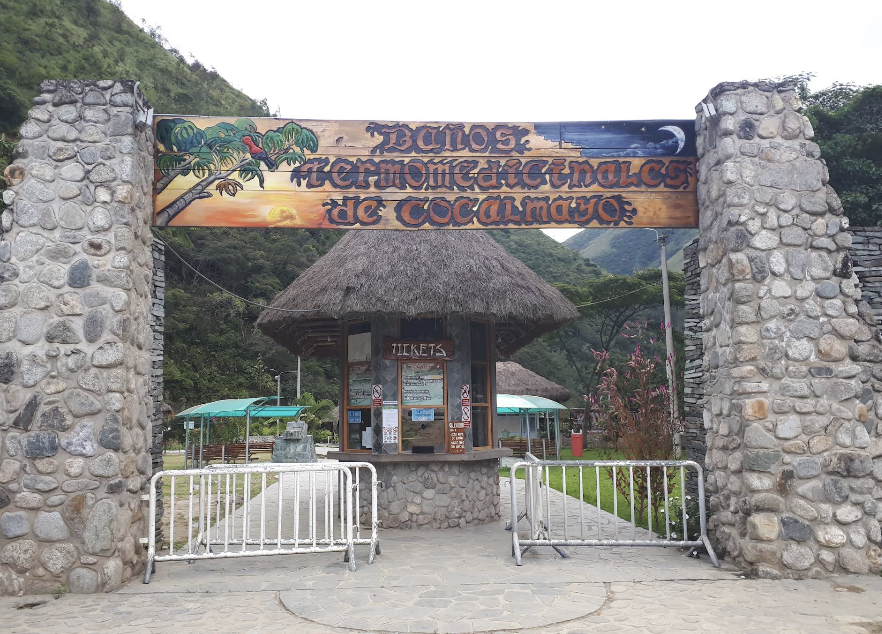
Surrounded by lush, emerald-green vegetation and the roaring Vilcanota River, Cocalmayo is the ultimate reward for those finishing the alternative Salkantay Trek.
Stay nearby at the Araplay Eco Lodge and enjoy a swimming pool with a view, a lush garden, and a terrace. I like to pack light so appreciate the washing machines they have.
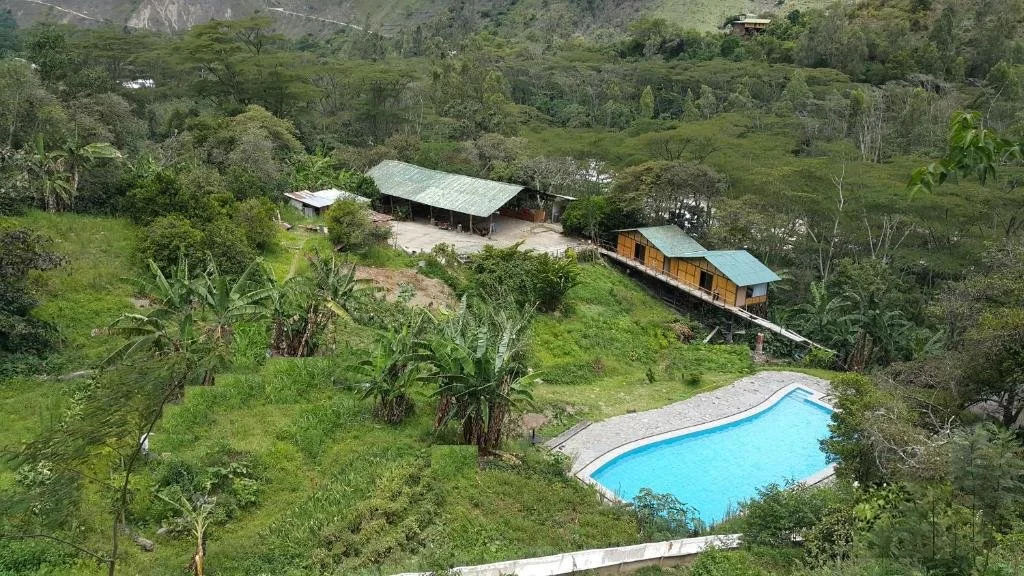
The complex features three large, tiered pools with crystal-clear, mineral-rich thermal water, ranging in temperature from 38ºC to 44ºC (100ºF to 111ºF). Unlike many other hot springs, the water here is refreshingly transparent. For a unique sensation, you can take a dip in the nearby icy cold waterfall from the Uripata lagoon to alternate temperatures.
Price is 10 soles ($2.50 for 1.5 hours) for international travelers with discounts for locals. Open 5am to 6pm but if there are a lot of people they'll stay open to 7pm. The bathrooms and changing rooms are clean.
Bring flip flops, towel and toiletries for a better experience. Don’t forget mosquito repellant!
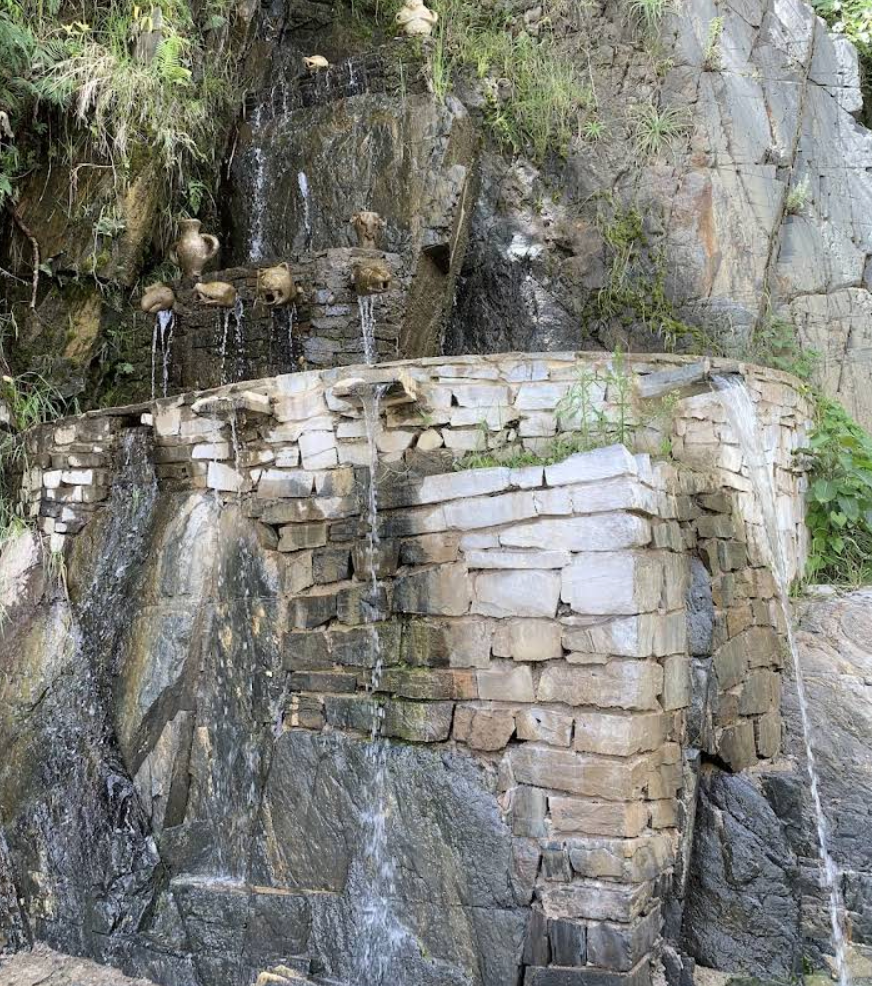
Water Quality: ★★★★★ (5 stars) - Unlike the sulfur-heavy waters of Aguas Calientes, Cocalmayo is famous for being crystal clear, naturally filtered, and free of any unpleasant odors or contaminants. The pristine clarity against the jungle backdrop is visually stunning.
Ease of Access: ★★★☆☆ (3 stars) - Requires a moderate hike or challenging terrain with limited parking if you walk from the hydroelectric station (Hidroelectrica), or a bumpy colectivo (shared van) ride on unpaved dirt roads from the town of Santa Teresa.
Ability to be Alone: ★★★☆☆ (3 stars) - While popular with trekkers and locals, the complex is large enough to handle the volume. Expect moderate crowds, but there is space to find some solitude, especially if you visit early in the morning or late at night.
Water Temperature: ★★★★★ (5 stars) - The facility boasts three massive pools with varying temperatures (ranging from a tepid 38C to a steaming 44C) to suit individual preferences. Icy mountain river showers are available for traditional hot/cold hydrotherapy.
Health Benefits: ★★★☆☆ (3 stars) - The water has a moderate mineral content. Without the heavy sulfur and iron of other regional springs, the primary therapeutic value lies in general relaxation benefits, muscle soothing, and stress relief.
Nearby Amenities: ★★★☆☆ (3 stars) - There are limited amenities immediately on-site, mostly consisting of simple changing rooms, a basic snack kiosk, and a small campsite. You must travel back to Santa Teresa for proper lodging and restaurants.
3. Baños Termales de Lares
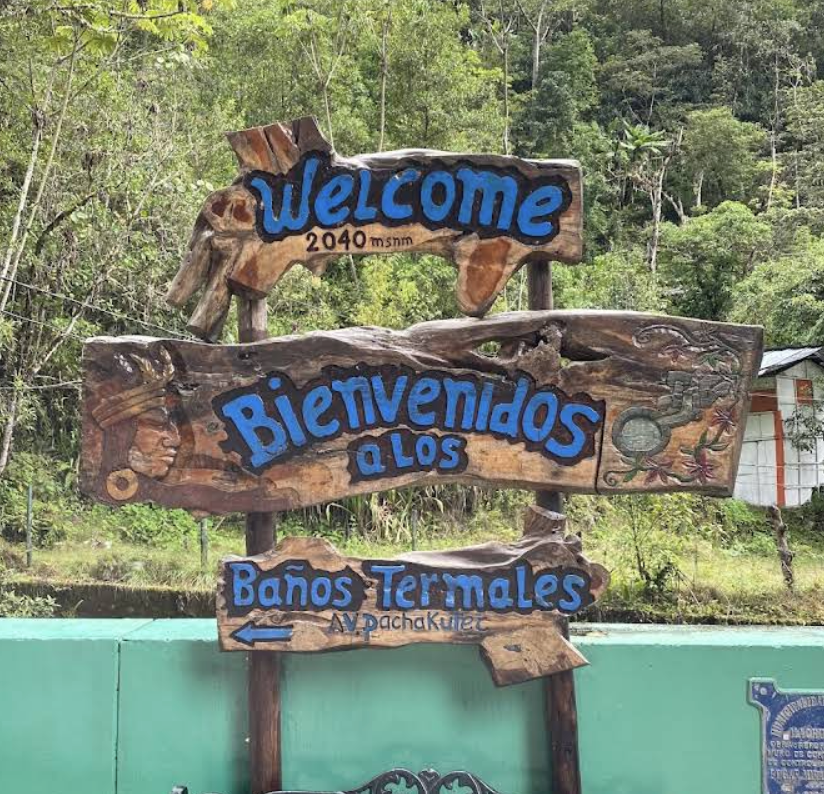
To truly understand the geothermal culture of the Andes, one must travel into the high-altitude valleys. The Lares Hot Springs are located at a breathless 3,250 meters (10,660 feet) above sea level, nestled within a dramatic, rocky gorge.
The road is really beautiful, both in good weather and in slightly less good weather when the clouds are at your height or even lower. However, it is a very dangerous and narrow road, which you should not travel in the dark or in bad weather. The road to get to Lares is quite windy and you need to travel through the mountains to get there! If you get motion sickness I recommend bringing some Dramamine.
Be aware that in the evening there are no cars anymore to bring you back to Calca. As far as I remember the last one goes back around 6pm!
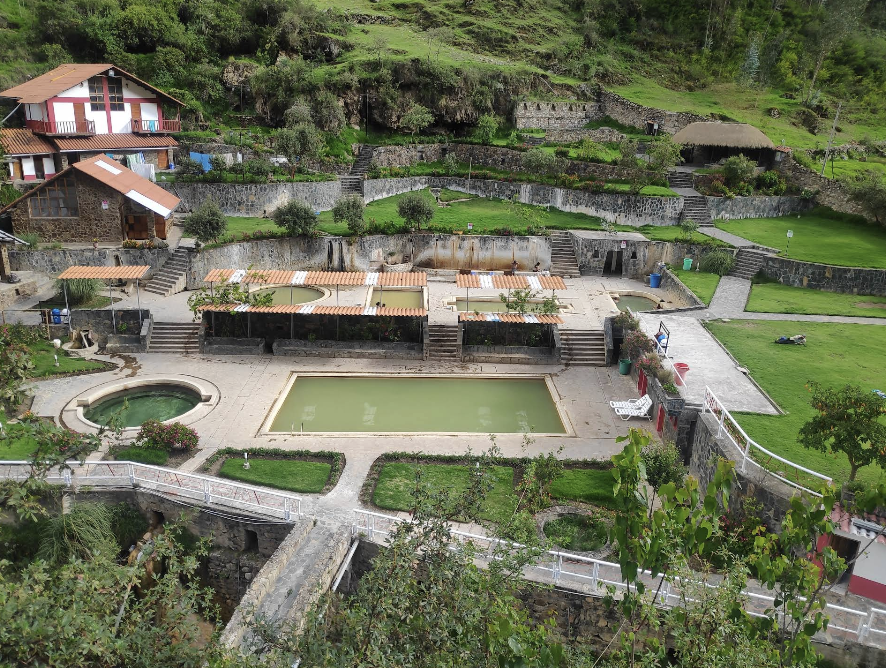
This is the starting point for the famous Lares Trek to Machu Picchu, a route celebrated for its deep immersion into traditional Quechua weaving communities. The air here is sharp and cold, creating a magnificent blanket of steam over the hot pools.
The cost is 8 soles for locals and 15 soles for foreigners. there is local food places just just outside the pools.
There are pools of different temperatures. Some are very hot, up to 118°F. Other pools are a more luke warm temp, and there is one pool that is nice and cool, probably around 60°F.
Water Quality: ★★★★☆ (4 stars) - The water features minor sediment and a slight sulfur smell but is still clean and enjoyable. The heavy concentration of iron gives the water a distinct, yellow-ochre tint that can lightly stain light-colored swimwear.
Ease of Access: ★★★☆☆ (3 stars) - Reaching the town of Lares involves a twisting, high-altitude drive over a 4,400-meter pass from the Sacred Valley. It requires navigating challenging terrain with limited parking, though the road is mostly paved.
Ability to be Alone: ★★★☆☆ (3 stars) - You will encounter moderate crowds, mostly consisting of local Andean families and trekking groups starting their expeditions, but the multiple tiered pools provide space to find some solitude.
Water Temperature: ★★★★★ (5 stars) - There are multiple pools with varying temperatures to suit individual preferences. The hottest pool closest to the volcanic source hovers around 42C (107F), while the lower pools are much cooler.
Health Benefits: ★★★★★ (5 stars) - The Lares waters possess a rich mineral content (sodium, iron, magnesium, zinc) with documented therapeutic benefits for specific conditions, including severe rheumatism, osteoporosis, and joint pain.
Nearby Amenities: ★★☆☆☆ (2 stars) - Expect few or no amenities. There is a basic municipal campsite, rudimentary changing stalls, and occasionally local vendors selling boiled potatoes and alpaca textiles, making it best for a back-to-nature experience.
4. Machacancha Hot Springs
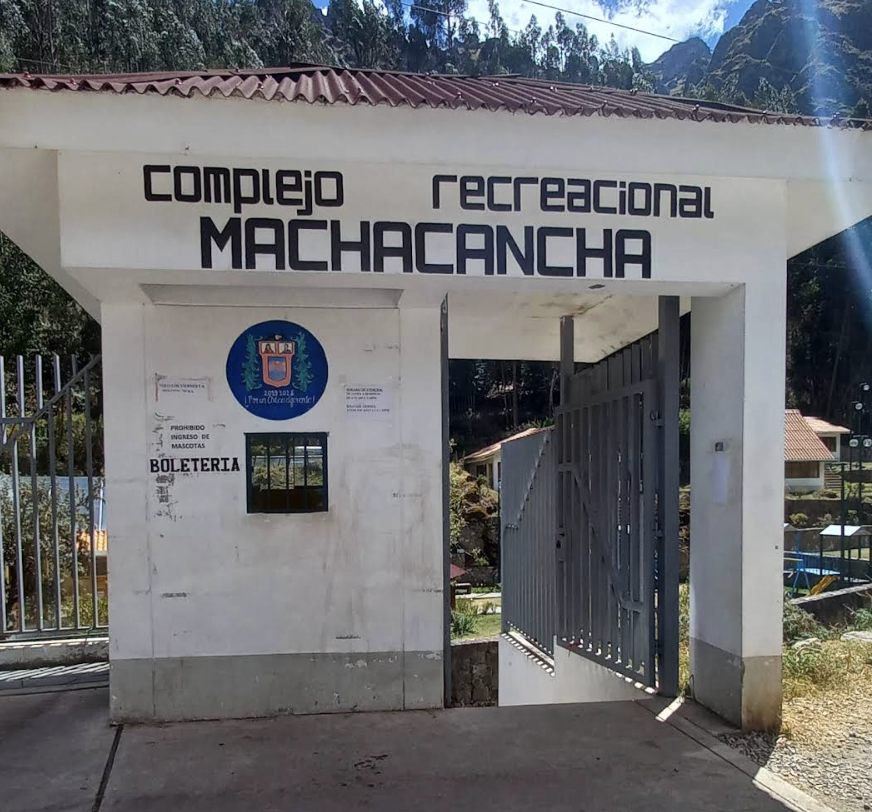
Hidden just off the main tourist circuit near the town of Calca in the Sacred Valley, Machacancha offers a more refined and clinical thermal experience.
Stay nearby in Calca at Hotel Los Laureles with a washing machine and kitchenette. I also appreciate they have a game room and children’s playground.
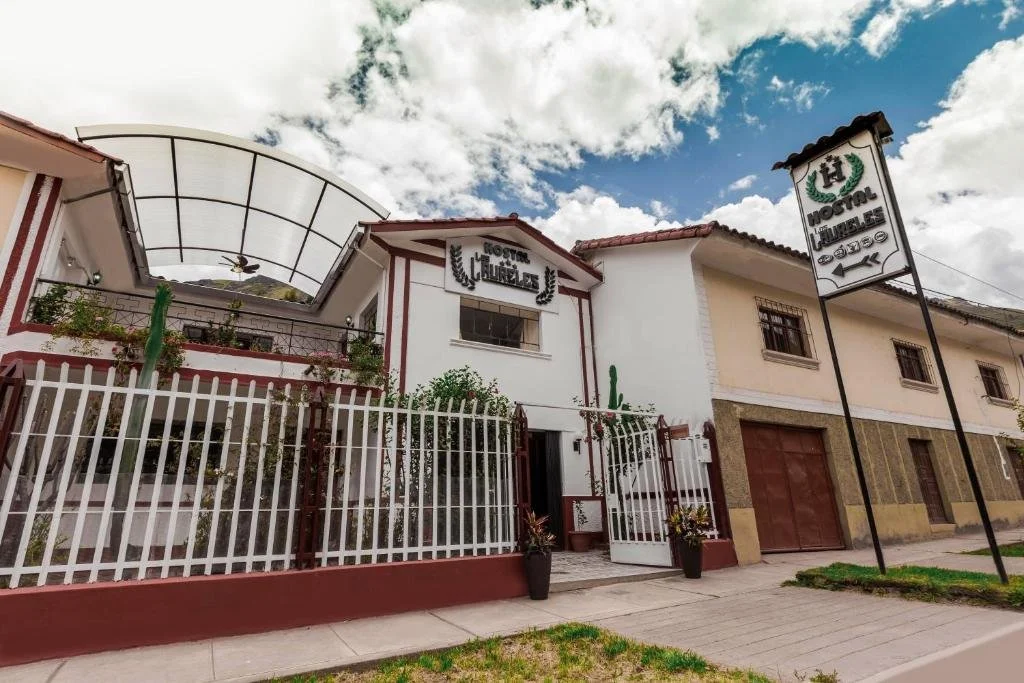
You can walk there from Calca; we took a 2-hour hike. Alternatively, there are combis (minibuses) that go there. The trip takes 17 minutes and costs 3 soles.
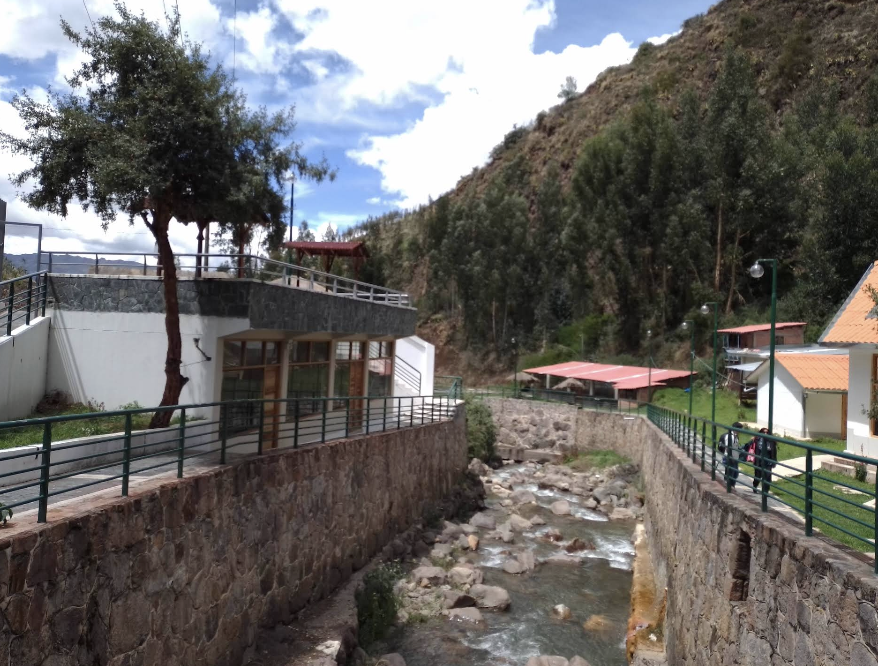
Sitting at 3,050 meters (10,000 feet), these baths have been modernized and covered with an atrium-style roof, protecting bathers from the intense Andean sun and the biting mountain winds. It is a favorite weekend retreat for residents of Cusco seeking profound therapeutic relief.
It has a children's play area, a camping area, and three hot spring pools. The best thing is that the pools are indoors.
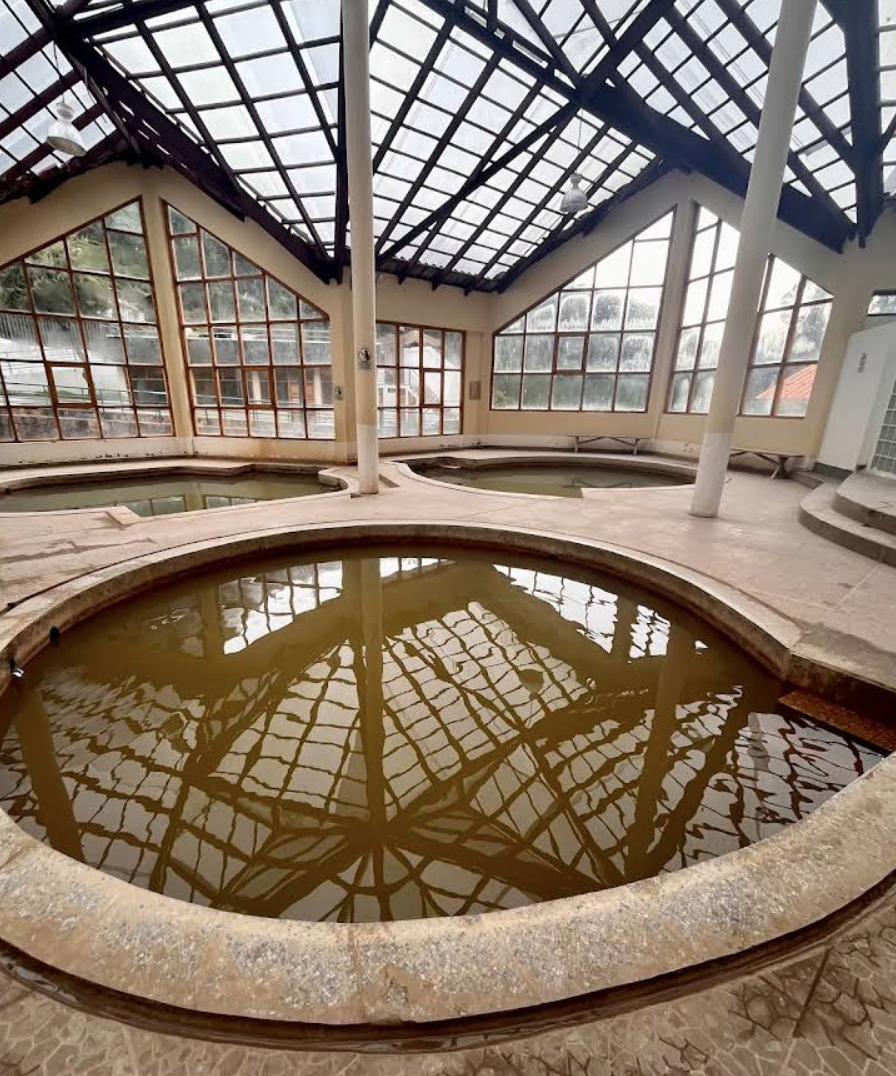
Water Quality: ★★★★☆ (4 stars) - The indoor setting helps keep organic debris out of the water. There is minor sediment and a slight sulfur smell, but it is impeccably clean and enjoyable.
Ease of Access: ★★★★☆ (4 stars) - Located just 7 kilometers from the town of Calca. It requires a short drive or a pleasant walk on well-maintained dirt paths branching off the main Sacred Valley highway.
Ability to be Alone: ★★★★☆ (4 stars) - Machacancha is primarily a local destination. It features larger pools with designated quiet zones or secluded areas available, and outside of Sunday afternoons, it is remarkably tranquil.
Water Temperature: ★★★★☆ (4 stars) - The water is maintained at a comfortable soaking temperature (around 40C or 104F) with room for slight adjustment by moving closer or further from the input pipes.
Health Benefits: ★★★★★ (5 stars) - Highly esteemed by local physicians. The rich mineral content—specifically its sodium-bicarbonate profile—carries documented therapeutic benefits for specific conditions like anemia, liver disorders, and chronic arthritic pain.
Nearby Amenities: ★★★☆☆ (3 stars) - The facility is well-maintained with clean dressing rooms and a small café, but it requires some effort to find necessities. A quick trip back to Calca is necessary for fine dining or hotel accommodations.
5. Pacchanta Hot Springs
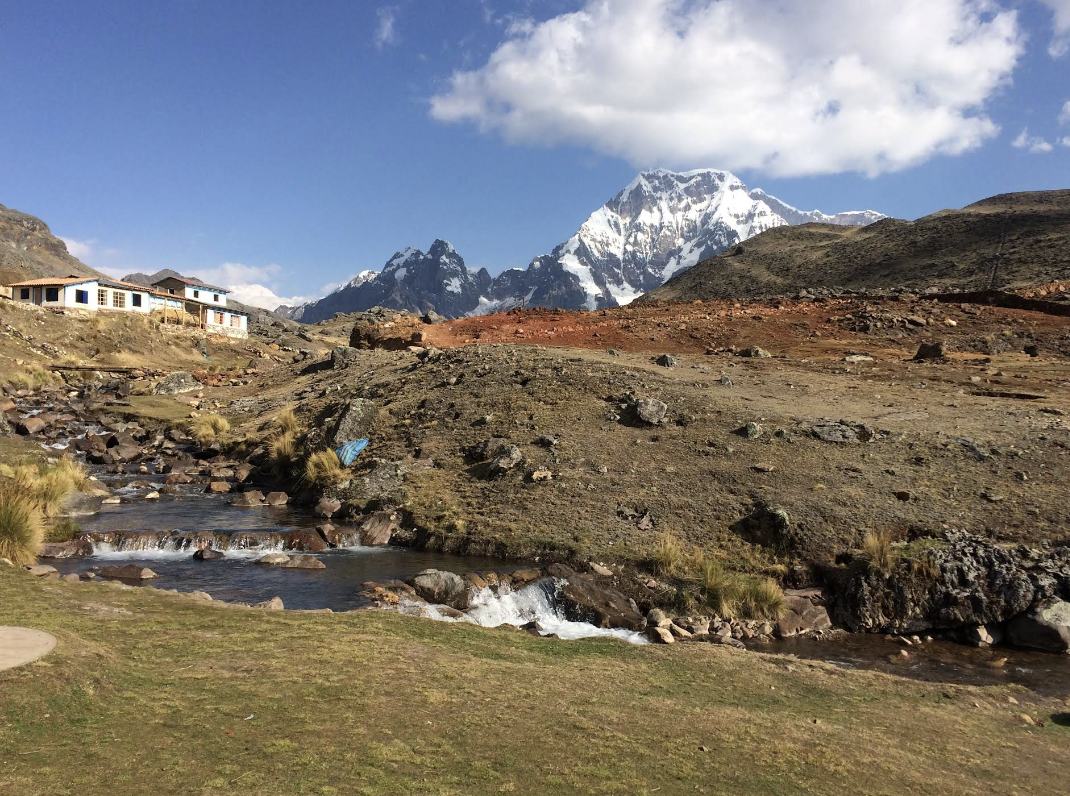
While slightly further afield from the immediate Machu Picchu sanctuary, the Ausangate region is part of the greater Cusco trekking ecosystem and is home to the most visually spectacular hot springs in Peru.
Stay nearby at Casa Cóndor Ausangate and enjoy the lounge, games room, and outdoor seating area. But note that the bathrooms are shared!
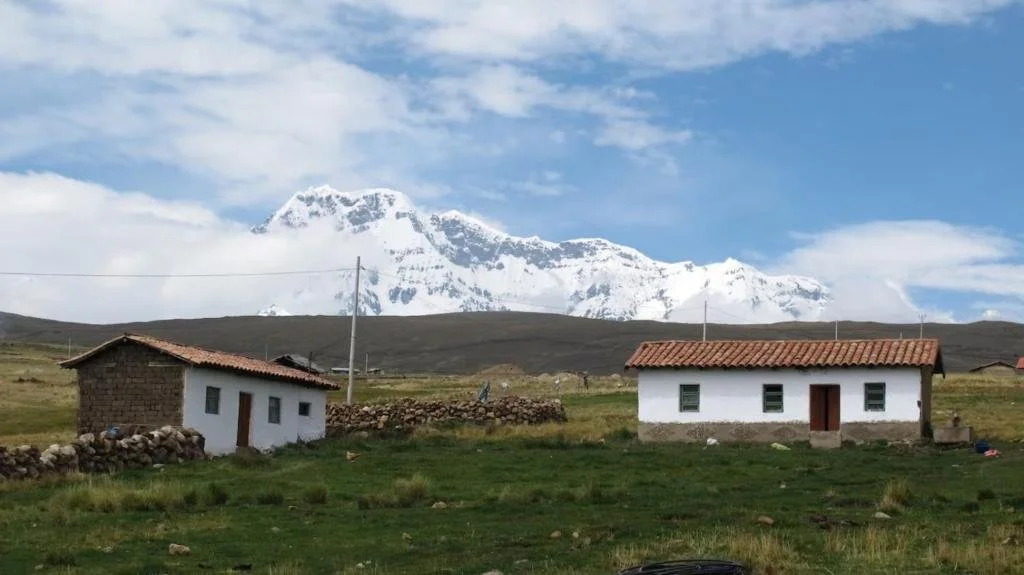
The 7 laguanas hike is a must! And these hot springs at the end are to die for after schlepping up 7.8 miles.
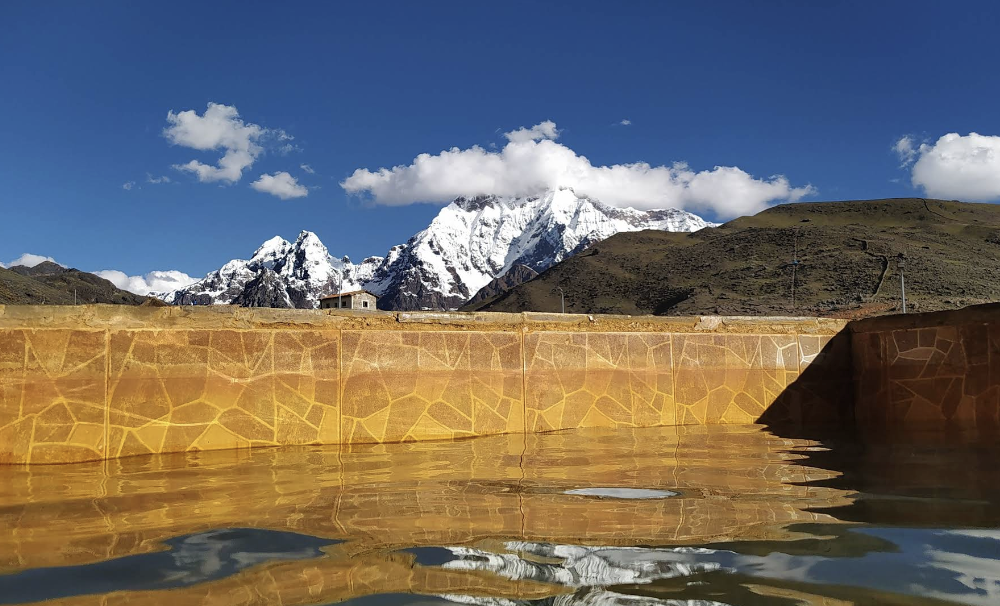
Pacchanta is a small, remote herding village situated at a staggering 4,300 meters (14,100 feet) above sea level.
Two pools, one hot-ish and one quite hot. The pools are not fenced or gated, they are just plopped down on the end of this tiny village.
The pools look out directly onto the glaciated peak of Ausangate, the most sacred Apu (mountain deity) in the region. Soaking here while watching alpacas graze under snow-capped peaks is a transcendent experience.
As with many springs in the region, entrance is 5 soles. There is a bar above the pools that serves craft beer and amazing Pisco Sours.
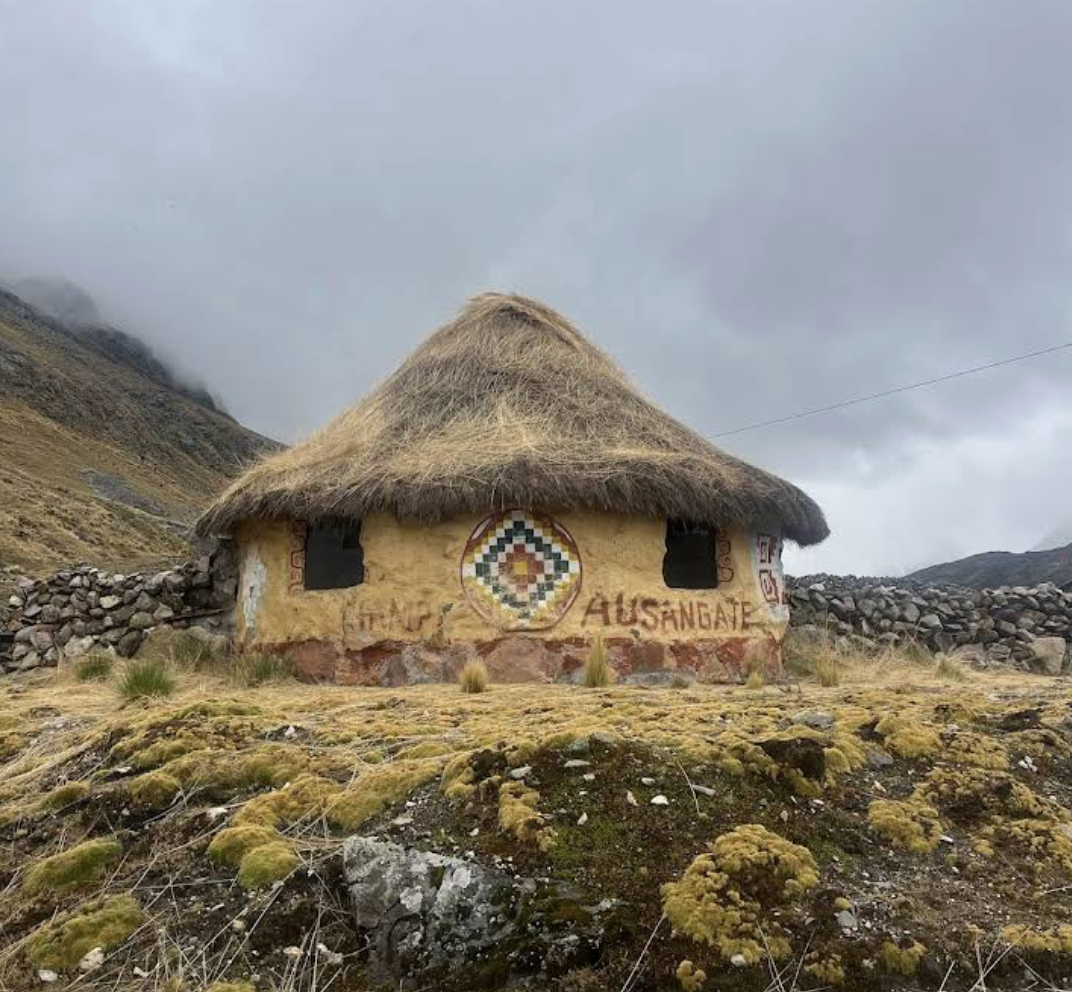
Water Quality: ★★★★☆ (4 stars) - The water is clear but has minor sediment blown in by the high-altitude winds. There is a slight sulfur smell, but it remains very clean and deeply enjoyable.
Ease of Access: ★★☆☆☆ (2 stars) - Access is difficult. Reaching Pacchanta requires a 3-hour drive from Cusco on a winding highway, followed by a long, bumpy dirt road that is best navigated with off-road vehicles.
Ability to be Alone: ★★★★☆ (4 stars) - Due to the extreme altitude and remote location, the masses do not come here. There are larger pools with secluded areas available, offering profound silence broken only by the wind.
Water Temperature: ★★★★☆ (4 stars) - The water itself is a comfortable soaking temperature, but the extreme contrast of the freezing ambient air temperature requires you to stay submerged. Exiting the pool can be jarring!
Health Benefits: ★★★★☆ (4 stars) - There is a noticeable mineral presence with potential health advantages, particularly for vasodilation and combating the effects of high-altitude exposure and hypothermia.
Nearby Amenities: ★☆☆☆☆ (1 star) - This is an extremely remote location with limited access to basic amenities. There are no luxury spas or restaurants here; only basic homestays run by local alpaca herders and unheated changing stone huts.
6. Chimur Hot Springs
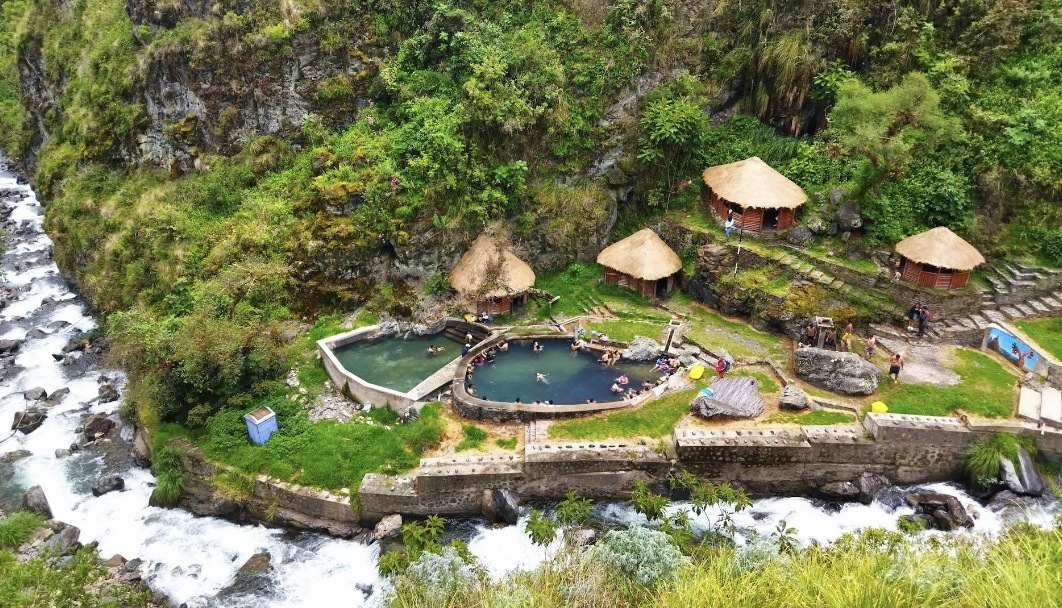
For the true thermal connoisseur seeking absolute isolation and untamed wilderness, the Baños Termales de Chimur are a legendary secret.
Google will tell you it's about 3 hours from Cusco but if you can do it in less than 7 I'd be impressed. The road from Amparaes to Chimur is very very rough, I had a dirt bike and would have been uncomfortable in places with a car but it can be done.
If you're taking the Paucartambo route from Cusco, keep in mind that the paved road only goes about half an hour past Paucartambo. After that, you'll have a two-and-a-half-hour drive on a dirt road to reach the hot springs.
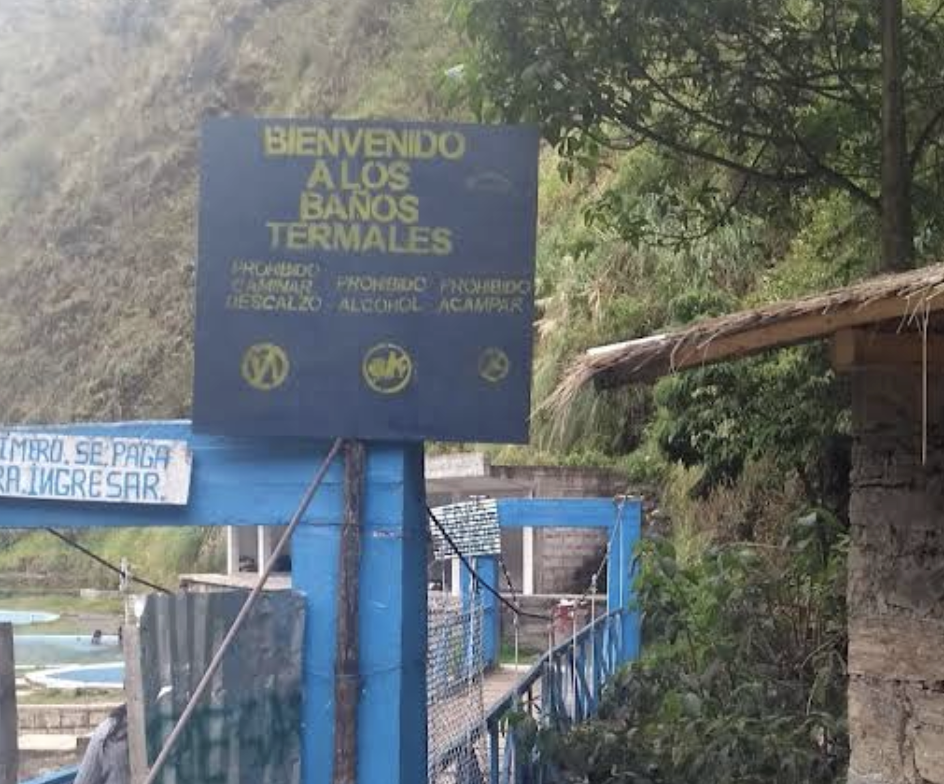
Located in the province of Paucartambo on the edge of the Manu Biosphere Reserve, these springs sit where the Andes plummet into the Amazon basin. The climate is warm and humid, and the pools are surrounded by orchids, bromeliads, and exotic birdlife.
There are 5 pools of varying temperatures with some being quite warm and all being next to a very nice River (you can't see the river from any pool).
You can buy water/a meal at the pools (5 soles) and entrance is 5 soles. Hours are 05-18.
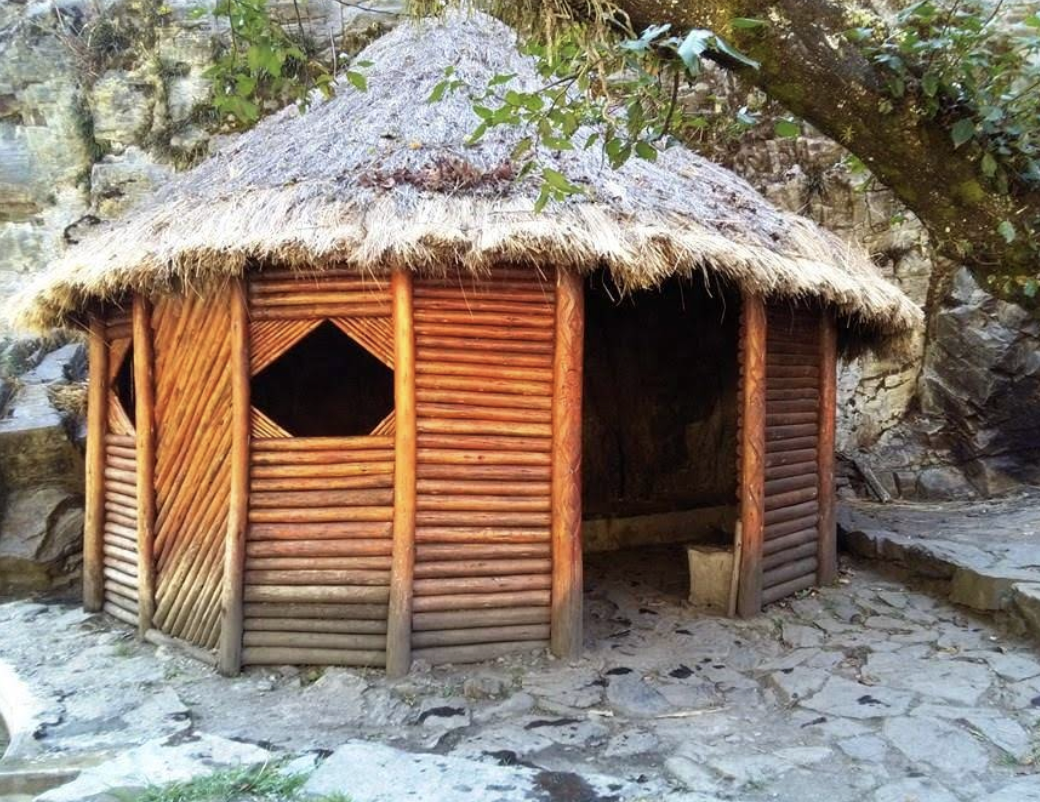
Camping (3 soles) is on a concrete pad next to the pools with a roof which isn't too bad. You can also rent a ... Hut?
Note: No electricity/WiFi/cell signal.
The changing rooms were actually weirdly nice and the bathrooms were clean.
Water Quality: ★★★★★ (5 stars) - The water is crystal clear, naturally filtered by the deep Amazonian bedrock, and free of any unpleasant odors or contaminants.
Ease of Access: ★★☆☆☆ (2 stars) - Getting to Chimur is an expedition. It requires a long and strenuous 5-hour drive from Cusco over the Acjanaco pass, followed by a difficult access road descending into the jungle, requiring high-clearance off-road vehicles.
Ability to be Alone: ★★★★★ (5 stars) - This is the ultimate retreat. The difficulty of the journey guarantees secluded pools and private soaking areas with minimal crowds. You are more likely to share the pools with a passing spectacled bear than a tourist group.
Water Temperature: ★★★★☆ (4 stars) - The main basin offers a comfortable soaking temperature with room for slight adjustment. The tropical ambient heat makes the water feel exceptionally relaxing.
Health Benefits: ★★★★☆ (4 stars) - Noticeable mineral presence with potential health advantages. The pristine waters are highly alkaline, providing excellent restorative properties for skin elasticity and detoxification.
Nearby Amenities: ★☆☆☆☆ (1 star) - A truly remote location with limited access to basic amenities. You must bring all provisions, camping gear, and emergency supplies with you.